Last updated November 22, 2026
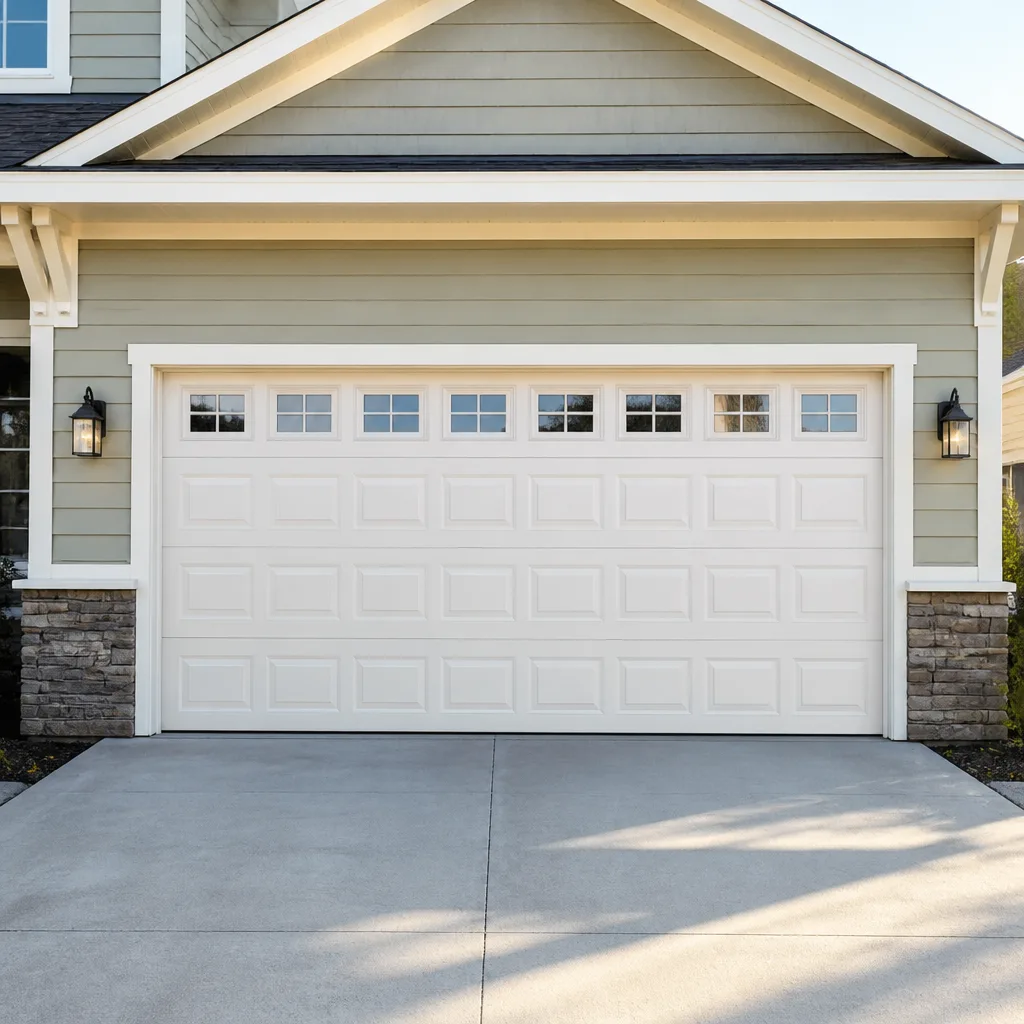 Raised-panel steel
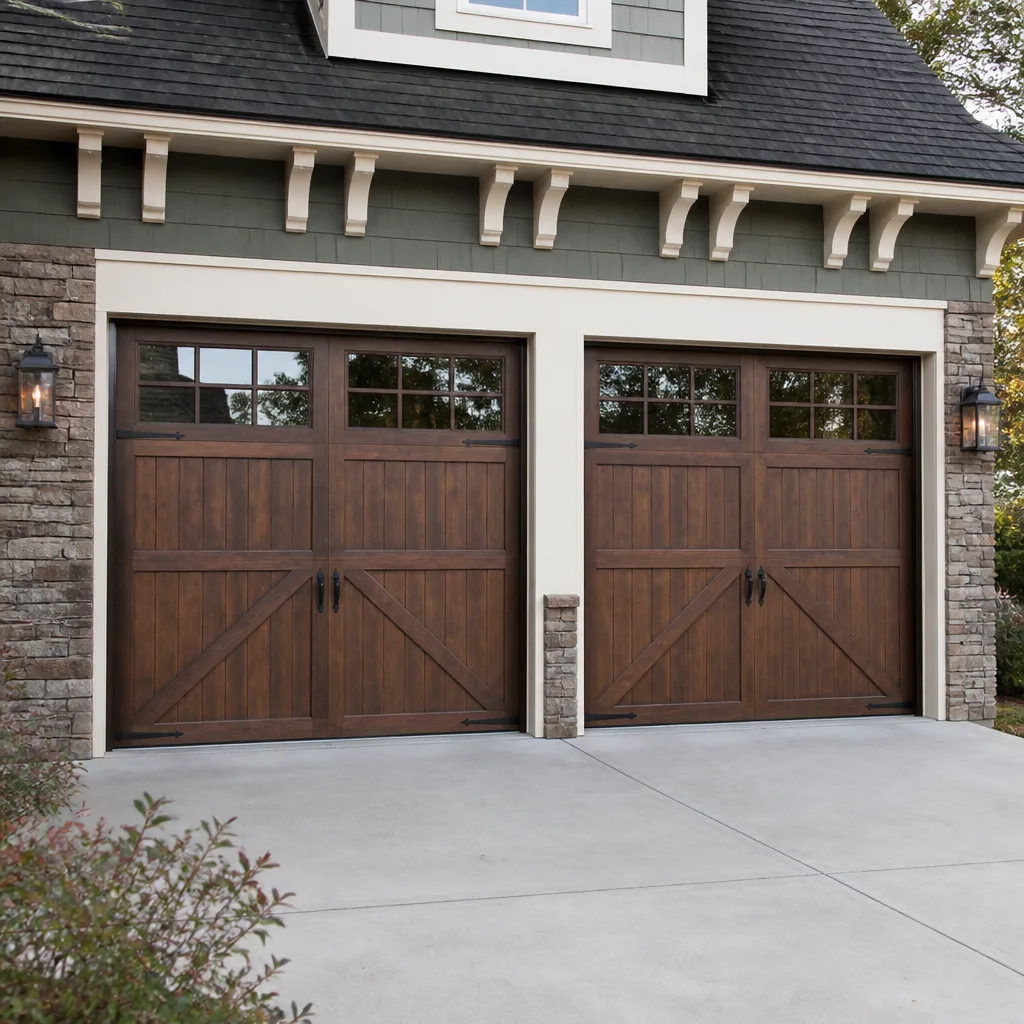 Carriage house
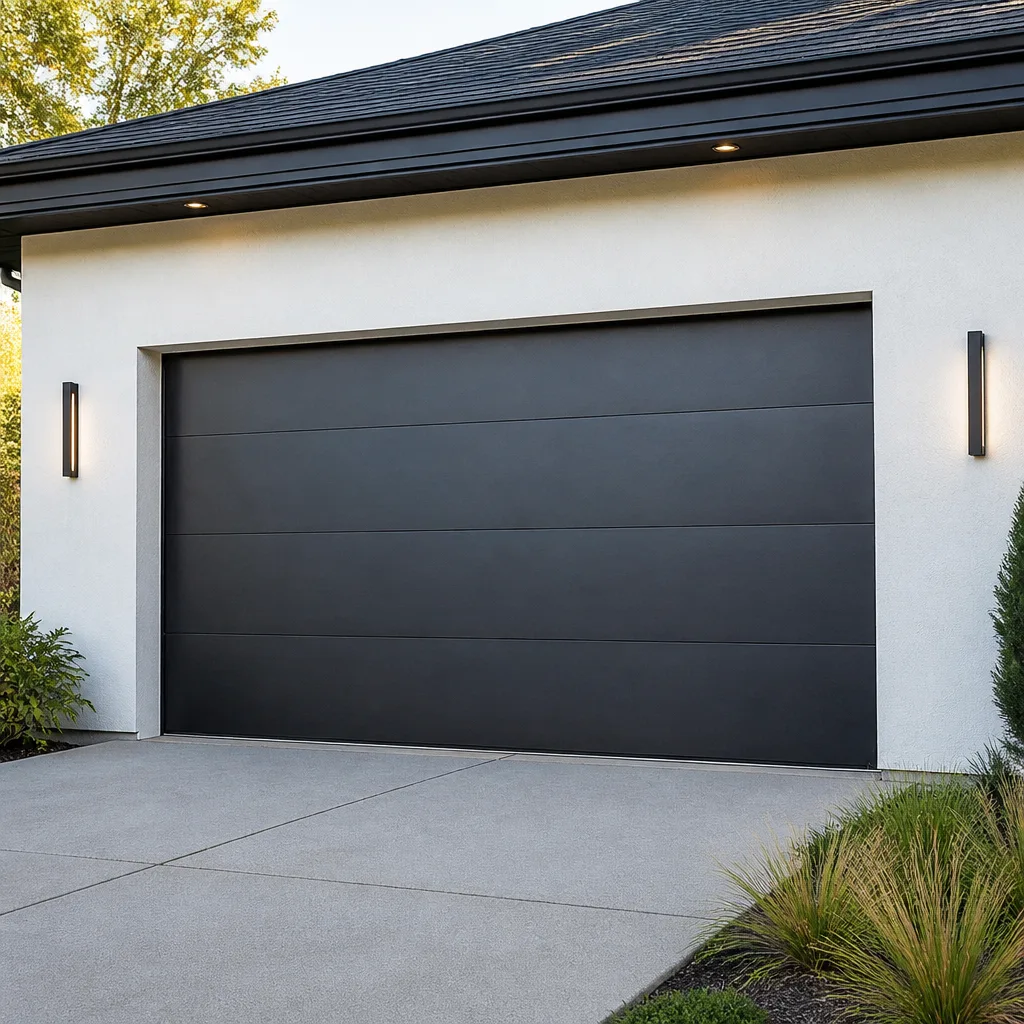 Modern flush
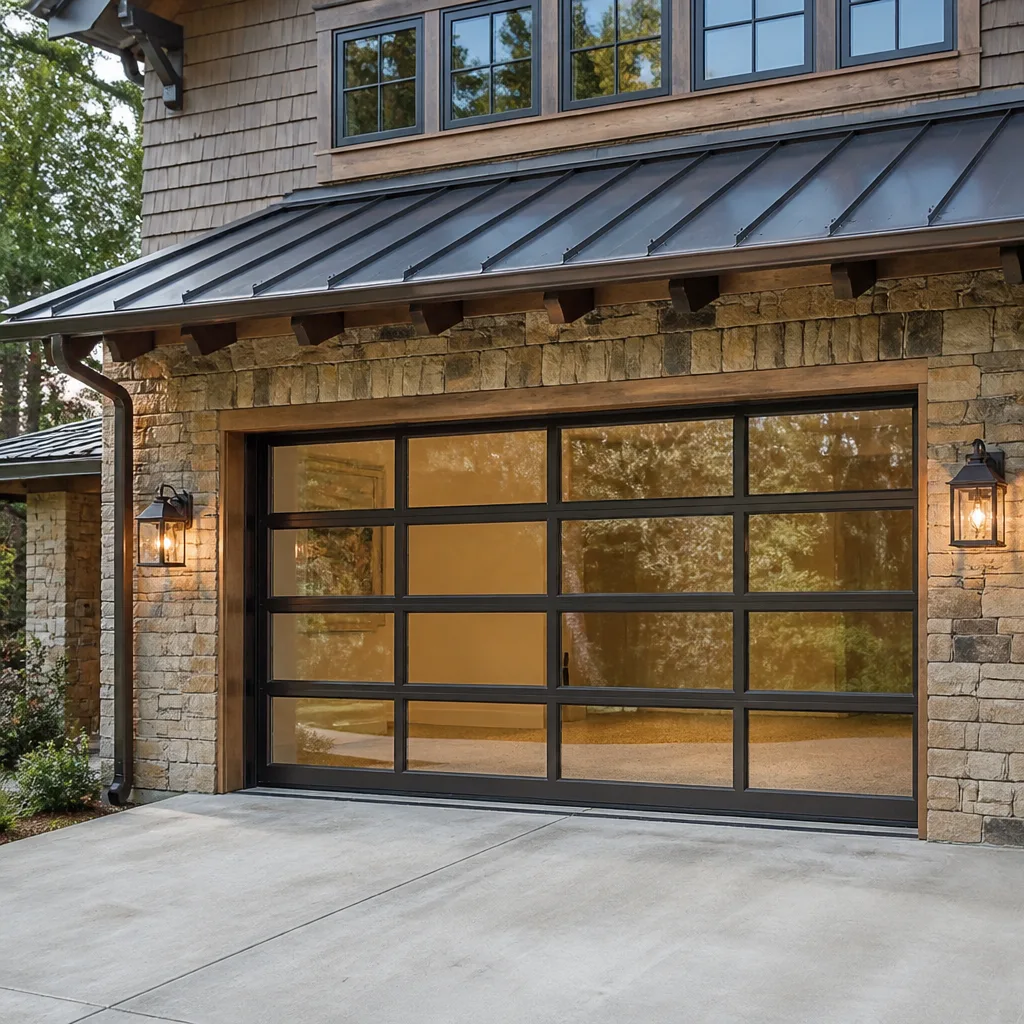 Full-view glass
 LiftMaster openers
 Chamberlain openers
Full 25-point door and opener safety check with every visit - springs, cables, rollers, tracks, and your LiftMaster or Chamberlain opener included
You get a price before we start. It does not change when the pro arrives.
Get your free estimateSeasonal Garage Door Care for Spring Hill: Year-Round Homeowner’s Guide
Most garage door care advice you’ll find online was written for somebody in Ohio. It tells you to winterize, to watch for frozen hinges, to clear snow away from the bottom seal. Spring Hill’s January low averages 50°F, so almost none of that applies here. What actually breaks garage doors in Spring Hill isn’t cold. It’s the humidity jump in late spring, the storm load in late summer, and the temperature swing that arrives in October and November and quietly finishes off springs that were already tired. This guide walks through the four operational phases a garage door actually has in Hernando County, what fails in each one, and what you can check yourself before a small problem turns into a door that won’t open.
Quick Answer
Garage door care in Spring Hill follows Florida’s climate calendar, not the traditional four seasons. The highest-risk window for torsion spring failure is October through November, when daily temperature cycling stresses metal that has already been working hard through summer. The best window for preventive work is the dry season in January and February, when humidity is low and hardware inspection is most accurate. Between those two points, the May-June humidity rise and the August storm season each create their own specific failure modes that a homeowner can prepare for in advance.
Styles & brands we work with
- Raised-panel steel
- Carriage house
- Modern flush
- Full-view glass
- LiftMaster openers
- Chamberlain openers
Table of Contents
- The Four Phases of a Spring Hill Garage Door Year
- May-June: The Humidity Spike and What It Does to Your Door
- Pre-Storm Season: Verifying Wind Resistance Without a Test Kit
- October-November: The Highest-Risk Window for Spring Failure
- Dry Season Maintenance: Why January and February Matter
- Gulf Moisture and Hardware Corrosion in Spring Hill
- Your Year-Round Garage Door Checklist
- Opener Care Through the Seasons
The Four Phases of a Spring Hill Garage Door Year
Spring Hill doesn’t get a classic four-season cycle, but your garage door absolutely goes through four distinct phases of stress each year. Understanding them is the difference between replacing a spring on your schedule and replacing it on the morning it snaps with your car inside.
Here’s how the year actually breaks down here:
- Dry season (roughly December through February). Low humidity, mild temperatures, the most stable stretch of the year for metal and wood alike. This is the window where inspection and preventive work pay off most.
- Humidity ramp (May through June). Relative humidity climbs fast and stays high. Wood door panels swell, metal hardware begins to corrode faster, and opener logic boards start seeing moisture they don’t handle well.
- Storm season (roughly August through early October). Wind load, driving rain, and power interruptions. The door has to hold against pressure it never sees the rest of the year.
- Temperature cycling (October through November). Warm days, notably cooler nights, repeated daily. Metal expands and contracts with each swing, and this is when tired springs fail.
If you only read one section of this guide, make it the October-November one. It’s the phase most Spring Hill homeowners don’t see coming, and it’s the one that generates the most emergency calls we handle.
May-June: The Humidity Spike and What It Does to Your Door
The humidity jump from late spring into early summer is the single most underrated seasonal event for a garage door in Spring Hill. It doesn’t announce itself. There’s no storm, no wind, no obvious trigger. But within a few weeks of the humidity climbing, three things start happening at once.
Wood doors swell. If you have a wood or wood-composite Clopay or Amarr door, the panels absorb moisture and expand. That expansion closes the gaps the door needs to move freely. You’ll notice it as a door that suddenly drags, sticks, or needs a second push on the opener to fully close. Left alone, the extra load transfers straight to your opener motor and your springs.
Metal hardware corrodes faster. Hinges, rollers, and the steel tracks all begin oxidizing at a higher rate once the air holds more moisture. It’s gradual enough that most homeowners don’t notice until rollers start squealing or the door feels heavier than it used to.
Opener logic boards see moisture. Modern openers from Chamberlain, Genie, and other brands have circuit boards that are sensitive to humidity and condensation. A board that worked all spring can start behaving erratically in June, with symptoms like ghost openings, remotes that need repeated presses, or a door that reverses without reason. If your opener is misbehaving, that’s usually an electrical fault, not a mechanical one, and it’s worth having a technician look at it. Our garage door opener repair service covers exactly this kind of seasonal board and logic failure.
What to do before the ramp starts: lubricate hinges, rollers, and springs with a proper garage door lubricant; check that the door moves freely by hand (with the opener disconnected); and inspect wood panels for any gaps or separation that will worsen with moisture. Doing this in April means you’re ahead of the curve instead of chasing it in July.
Pre-Storm Season: Verifying Wind Resistance Without a Test Kit
You don’t need a wind load test kit to know whether your door is ready for storm season. You need about fifteen minutes and a willingness to look at the parts of the door you normally ignore. Florida’s storm season puts real pressure on a garage door, and the door is often the largest opening in the house. A door that fails in high wind doesn’t just need repair afterwards, it leaves the interior exposed during the worst part of the storm.
Here’s how to check your door’s readiness before storm season:
- Look at the tracks. Run your hand along the vertical tracks and check for bends, dents, or misalignment. Storm season will find any weakness in the track, and a bent track is how doors come off their rollers.
- Check the bottom seal. A worn or torn bottom seal lets wind-driven rain under the door. It also means the door isn’t sealing against positive pressure. Replace a damaged seal before the season, not after.
- Test the balance. Disconnect the opener and lift the door halfway by hand. It should stay put with minimal effort. If it drops or feels heavy, the springs are losing tension and the door is not carrying its own weight.
- Verify the reinforcement. If your door was installed with a wind-load reinforcement strut, check that the brackets and fasteners are tight and free of corrosion. A strut that’s lost its fasteners isn’t doing anything.
- Test the safety reverse. Place a roll of paper towels or a 2×4 flat on the ground under the door and close it. The door should reverse on contact. If it doesn’t, the opener’s safety system needs adjustment before storm season, because a door that won’t reverse under load is a hazard.
If any of these checks turns up something you’re not comfortable addressing, that’s the right time to call. Storm season is not the season to be troubleshooting a door you’re not sure about. Our garage door repair team can go through the full door and confirm what needs attention before the weather turns.
October-November: The Highest-Risk Window for Spring Failure
If there’s one seasonal fact about Spring Hill garage doors that matters more than any other, it’s this: the October-November temperature cycle is when torsion springs fail most often. Warm afternoons followed by notably cooler nights mean the spring metal expands and contracts twice a day, every day. Cold isn’t the cause. The cycling is the cause. A spring that’s already near the end of its service life will usually give out during this two-month window rather than in the middle of summer.
Why does the cycling matter so much? A torsion spring is a wound steel coil under constant tension. Every time the door opens and closes, that coil flexes. Every time the metal heats and cools, it flexes a little more even when the door isn’t moving. Add up hundreds of daily temperature cycles across a spring that’s already been loaded thousands of times, and October-November becomes the point where cumulative fatigue catches up.
What you can watch for:
- A loud bang from the garage with no obvious cause. That’s usually a spring breaking, and it’s how most homeowners find out.
- A door that suddenly feels much heavier to lift, or won’t stay open at the halfway point.
- A visible gap in one of the torsion springs above the door.
- The opener straining or appearing to labor during the last part of the close cycle.
Torsion springs are dangerous. The spring is under heavy tension even when the door is closed, and a spring that breaks while someone is adjusting it can cause serious injury. We don’t recommend any homeowner work on torsion springs themselves. If you suspect a spring is failing, leave the door closed and have a technician assess it. If a spring has already broken and your car is stuck inside, that’s a genuine emergency, and we’re set up to respond to it rather than treat it as a scheduled call.
Cable and drum wear also becomes more visible during the fall cycling. If you’re hearing a popping sound near the drums or seeing visible fraying on the cable, stop using the door until it’s been checked. That’s another job for a trained technician, not a homeowner with a ladder.
Dry Season Maintenance: Why January and February Matter
January and February are the best weeks of the year to get real maintenance done on a Spring Hill garage door. Humidity is at its lowest, temperatures are stable, and the door is under the least seasonal stress it will see all year. That makes it the most reliable window for inspection and the best time to address anything that’s been wearing quietly since the previous fall.
Here’s what’s worth doing during the dry season:
- Inspect the cables and drums. Cable wear is easiest to see when the door is dry, and drum alignment problems are easiest to verify in stable weather. If either is showing wear, address it now rather than in June.
- Check rollers and hinges for corrosion. A roller that’s starting to corrode in January is a roller that will be seizing by summer. Replacing them in the dry season is cheaper and stops the wear from reaching the track.
- Lubricate everything. Hinges, rollers, the spring coils, and the tracks all benefit from proper lubrication applied during the dry months. It holds longer when the air is dry.
- Test the balance and the safety reverse. January is when the door should still lift and hold by hand without effort and reverse on contact with an obstruction. If it doesn’t, you have months to address it before storm season.
- Look at the panels and the bottom seal. Wood door panels are easiest to inspect when they’re at their most contracted. The same goes for the bottom seal, which can hide cracks when it’s swollen with summer humidity.
The other reason the dry season is a good time: it’s when scheduled work is easiest to fit around your schedule. Repairs that might feel urgent in the fall can be handled calmly in January. If you’ve been putting off a cable or drum issue since last year, the dry season is the time to get it sorted.
Gulf Moisture and Hardware Corrosion in Spring Hill
Spring Hill sits close enough to the Gulf that the moisture in the air here is measurably heavier than it is in inland Florida communities, and that difference plays out on your garage door hardware over a period of years. Salt air is a real factor along the coast, but even inland in Hernando County, the humid air itself accelerates corrosion on unprotected metal. Hinges, rollers, springs, and track fasteners all oxidize at a higher rate here than they would in a drier climate.
What this means in practice: hardware that would last a decade in a dry part of the country can start showing meaningful wear in half that time here. You’ll often see it first on the hinges, then on the rollers, then on the springs. The rollers are also where most homeowners notice it, because a corroded roller starts squealing loudly enough to be impossible to ignore.
The one product change that slows this down the most is switching to nylon or sealed-bearing rollers in place of the standard steel ones. Nylon rollers don’t corrode the way steel does, and they run quieter in the process. It’s a modest change with a real effect in this climate, and it’s one we recommend to most Spring Hill homeowners when their existing rollers need replacing anyway. Proper garage door lubricant applied at the right interval helps too, particularly on the hinges and spring coils. Keeping the tracks clean and free of debris is the third piece, since debris traps moisture against the metal.
If you’re not sure what state your rollers and hinges are in, a technician can tell you in a few minutes. It’s a small inspection that saves you from finding out the hard way during a storm.
Your Year-Round Garage Door Checklist
Here’s the full year laid out as a simple checklist you can come back to as the seasons turn. It’s not a substitute for professional service, but it’s a solid homeowner-level routine that catches most issues before they become expensive.
- April (before humidity ramps). Lubricate hinges, rollers, and springs. Test the balance by hand. Inspect wood panels for any gaps that will swell with moisture.
- May-June (humidity rise). Watch for opener symptoms: erratic behavior, phantom openings, remotes needing repeated presses. Listen for changes in door noise. Check for any new sticking or dragging.
- July (pre-storm). Run the five-point storm check from earlier in this guide: tracks, bottom seal, balance, reinforcement strut fasteners, and safety reverse.
- August-September (storm season). After any significant storm, close and open the door once and listen for changes. Look for visible damage to panels or seal. If anything has shifted, have it checked.
- October-November (fall cycling). Listen for the loud bang that signals a broken spring. Check for a door that’s suddenly heavy. Do not attempt any spring work yourself. Call a technician if anything is off.
- December-February (dry season). This is the maintenance window. Cables, drums, rollers, hinges, seal, and a full balance and safety test. Address any wear now, before the next cycle of humidity and storms.
If you stick to this routine, you’ll catch most problems early. If you don’t, the door will still work, until it doesn’t, and the failure will usually happen during the October-November window or in the middle of storm season. That’s the pattern we see most often across Spring Hill.
Opener Care Through the Seasons
The opener is the part of the system most exposed to seasonal stress, and it’s the part most homeowners ignore until it stops working entirely. Modern openers are more sensitive to environmental conditions than older mechanical units, particularly the circuit boards inside. If you have a WiFi-enabled opener from LiftMaster, Chamberlain, Genie, or a similar brand, the logic board is handling a lot of electronics in a fairly unforgiving environment.
What to do seasonally for the opener:
- Spring: Test the safety reverse and the force settings. Run a quick test with an obstruction (a roll of paper towels under the door) to confirm the door reverses on contact.
- Summer: Watch for humidity-related symptoms. Ghost openings, remotes that need multiple presses, or a door that reverses without obstruction are all signs the board may need attention. Don’t ignore them.
- Fall: Check that the opener isn’t laboring. If the door is getting heavier because of a failing spring, the opener absorbs the extra load and shortens its own life.
- Winter: Clear the opener housing of dust and check that the safety sensors at the bottom of the tracks are aligned and clean. The sensors are one of the most common causes of a door that won’t close.
If you have a smart opener and the app has started reporting errors or losing connection through the humid months, that’s worth a service visit. A technician who works on the brand already in your garage can usually diagnose the problem fast. Full-system work, from opener repair through garage door installation, is what we specialize in, and our technicians have up to 13 years of experience working across the major brands.
Common Mistakes to Avoid
- Following northern winterization advice in Spring Hill. Most online garage door care guides are written for climates with hard freezes. Following them here means wasting effort on problems that don’t exist while missing the ones that do. The October-November cycling is the real seasonal threat, and it’s rarely mentioned.
- Ignoring the humidity ramp until July. By the time you notice the door sticking in July, the swelling and corrosion have already been underway for weeks. Address wood panel swelling and lubricate hardware in April, before the humidity climb.
- Assuming the opener is the problem when the door is. A door that’s suddenly harder to open is usually a spring or balance issue, not an opener failure. Calling for opener repair when the real issue is the spring wastes time and money.
- Skipping storm season checks because the door worked last year. A storm-season check takes fifteen minutes and catches issues that would only show up when the weather turns. Don’t assume last year’s check means this year is fine.
- Doing torsion spring work yourself. Torsion springs are under heavy tension and cause serious injuries when they’re mishandled. There is no safe DIY version of spring replacement.
- Using standard steel rollers indefinitely in this climate. Steel rollers corrode faster here than in drier climates. Switching to nylon or sealed-bearing rollers when you replace them is a small change that lasts noticeably longer in Spring Hill.
- Waiting for a full failure before calling. The cheapest repair is the one done before the failure. A worn roller or a tired spring that’s caught in January costs less than an emergency call in November with a car stuck inside.
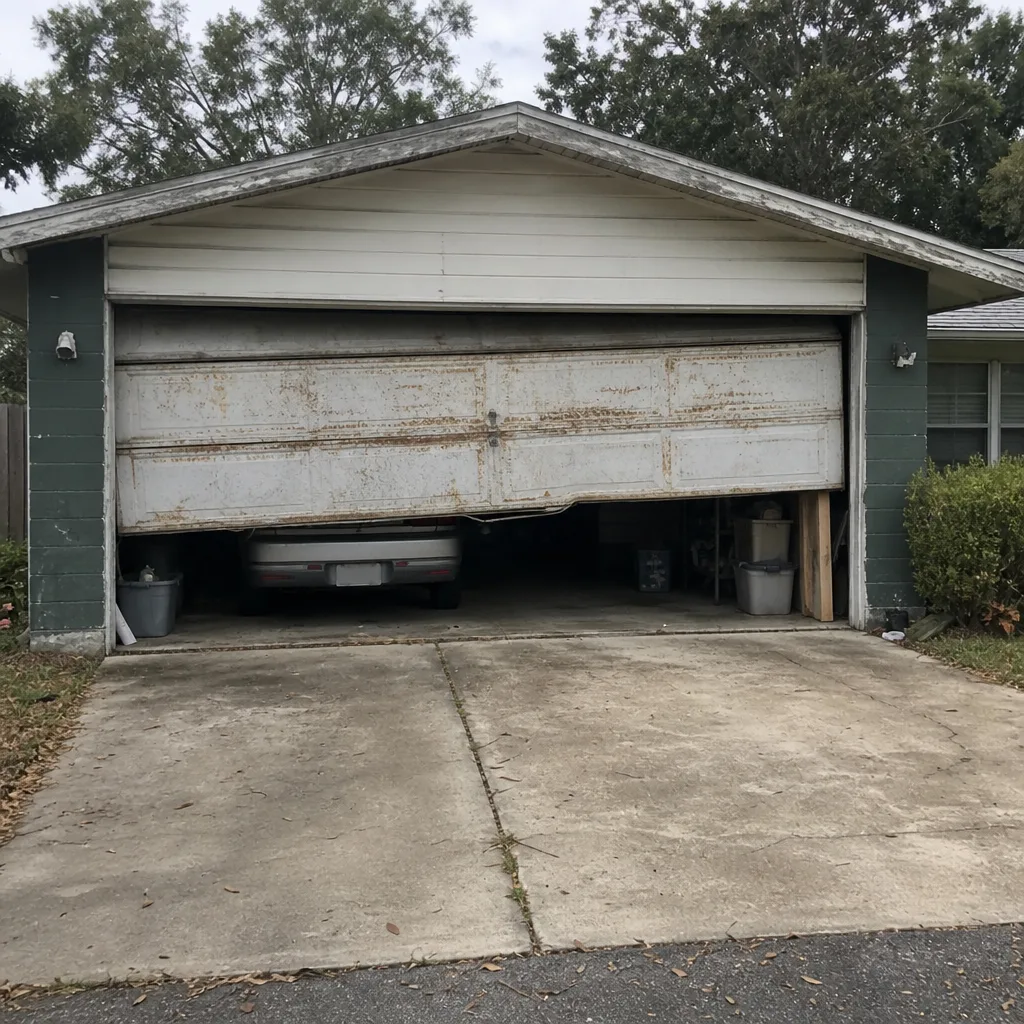
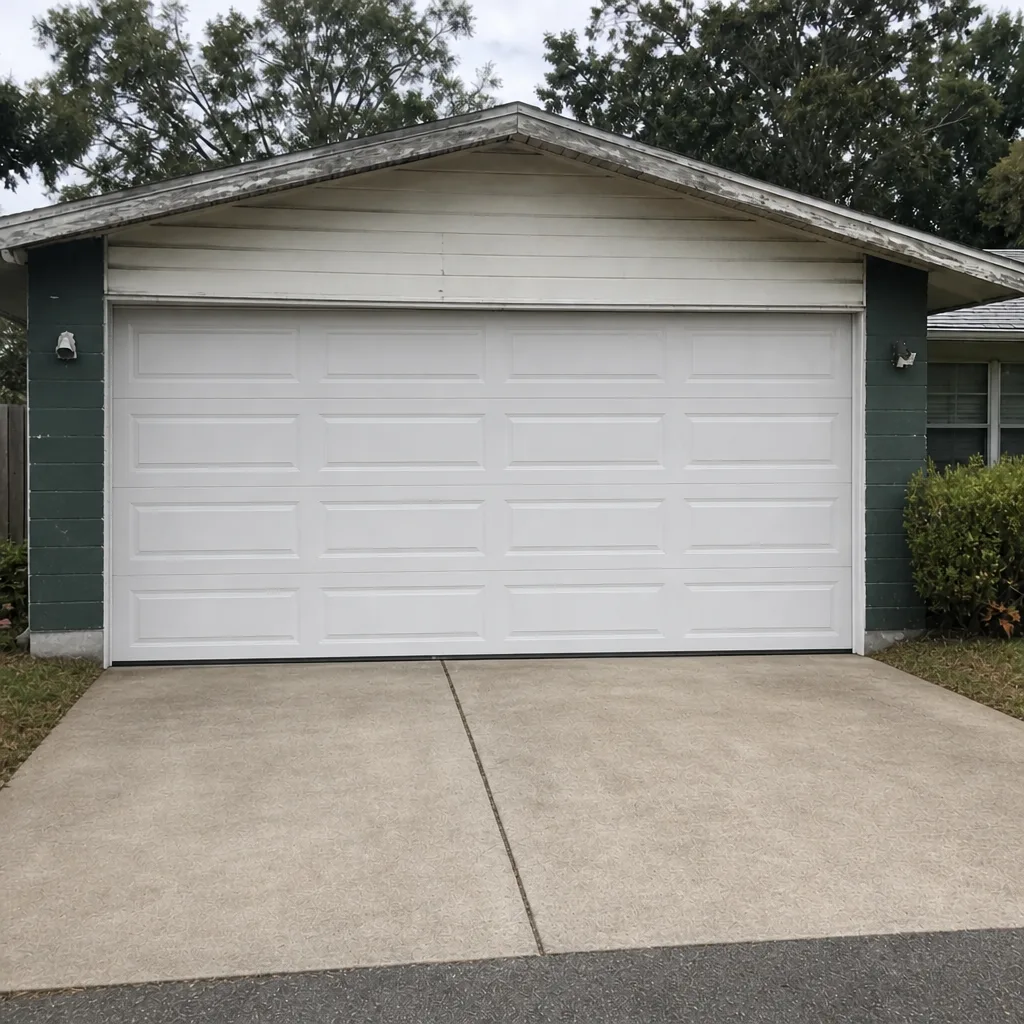
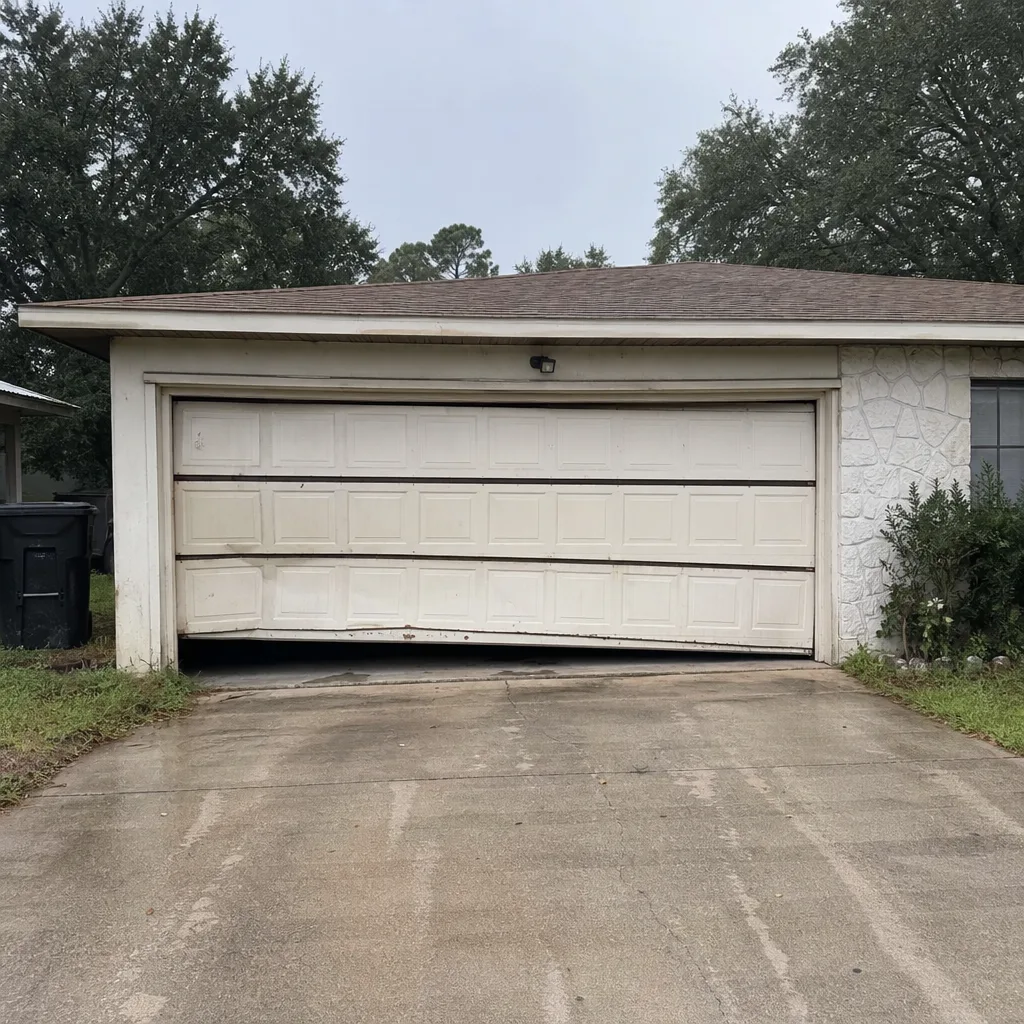
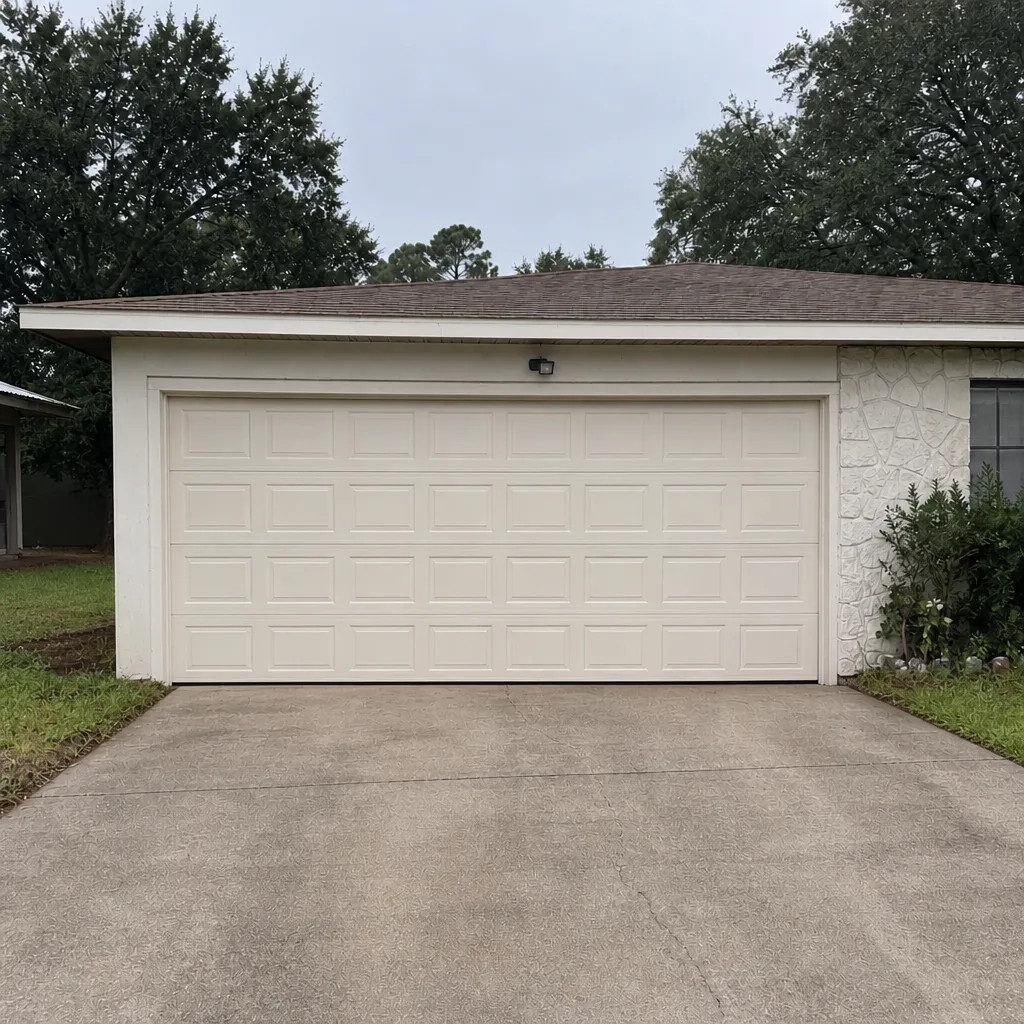
See the difference
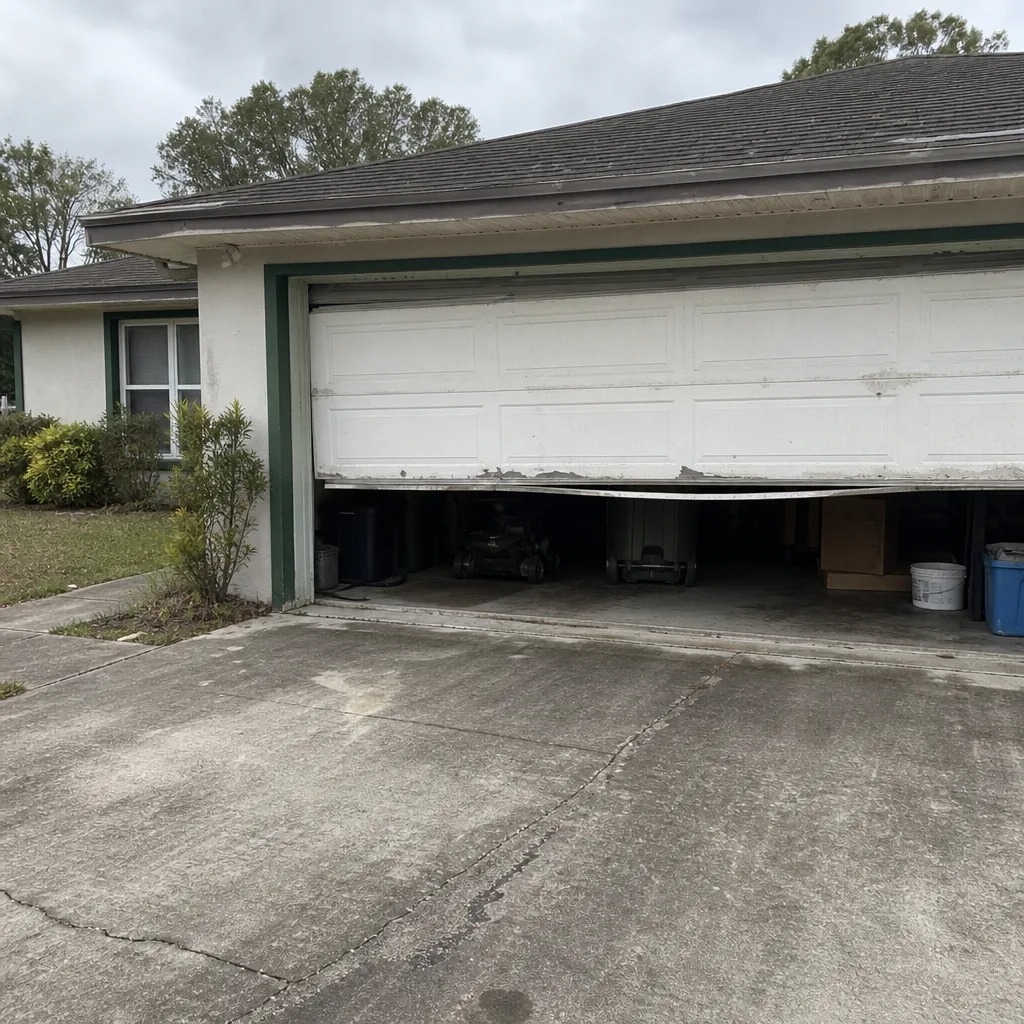 Before
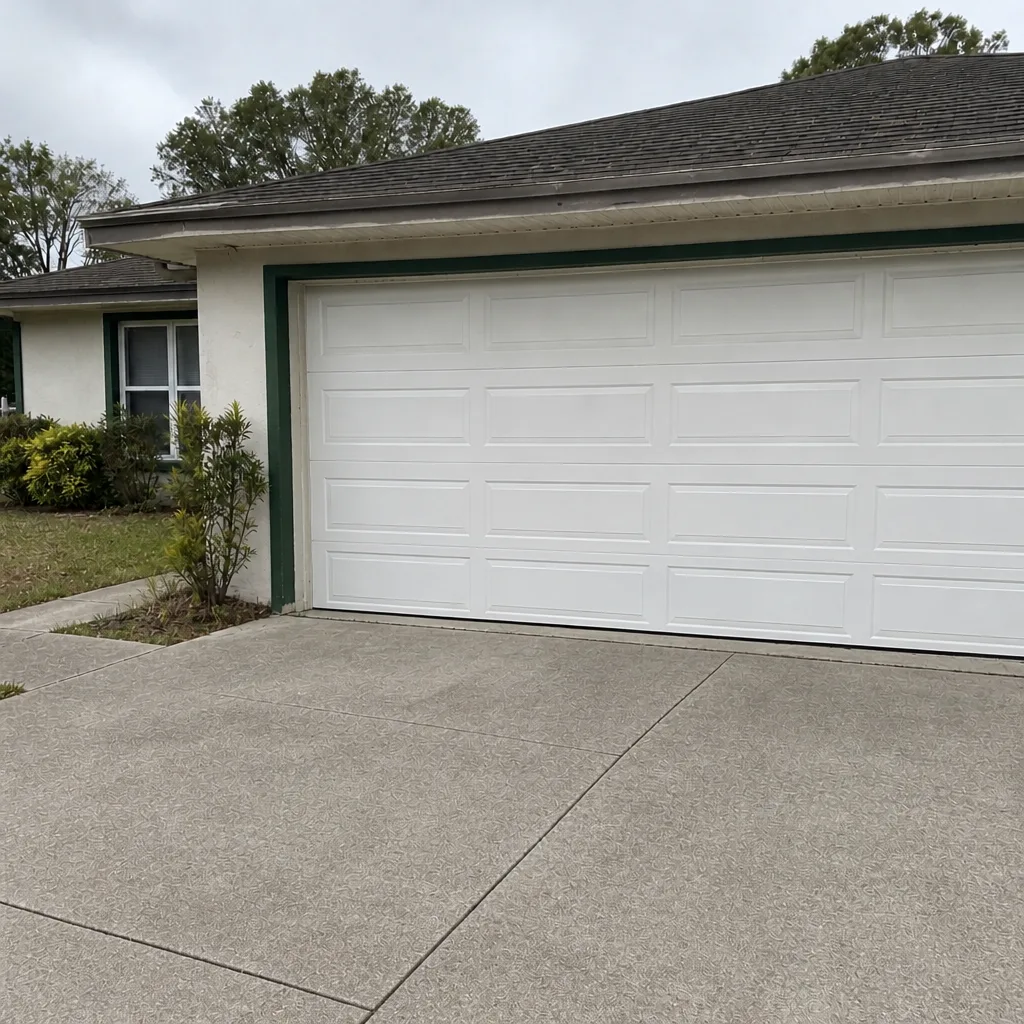 After
 Before
 After
 Before
 After
When to Call a Professional
Not everything needs a technician, but some things genuinely do. Call us if your door has stopped responding to the opener altogether, if you’ve heard a loud bang and found a broken spring, if the door is visibly off its tracks or hanging unevenly, if the opener is cycling erratically or reversing without cause, or if you’re seeing frayed cables or hear popping near the drums. All of these are situations where continuing to use the door causes more damage or creates a real safety hazard. Spring Hill Garage Door Repair Co offers free estimates in Spring Hill. Call (877) 792-6784 to schedule a visit. If your door has failed and your car is stuck, tell us that when you call and we’ll treat it as an emergency call rather than put you in the next available slot. You can also read more about what we do across the full system at Spring Hill Garage Door Repair Co.
Frequently Asked Questions
The dry season, January through February, is the best window for routine maintenance in Spring Hill. Humidity is lowest then, temperatures are stable, and hardware inspection is most reliable because wood and metal aren’t actively swelling or contracting. A close second is April, just before the humidity ramp begins, if you’re prioritizing lubrication and balance checks over a full inspection.
Temperature cycling is the cause. October and November in Spring Hill bring warm days and notably cooler nights, and the repeated daily expansion and contraction in the spring metal accelerates fatigue in springs that are already near the end of their service life. The springs are also finishing off a hard summer of use, which adds to the load. That combination is why spring failure concentrates in this two-month window.
No, at least not in the traditional sense. Spring Hill winters are mild, January lows average around 50°F, and freeze-related garage door problems are essentially nonexistent here. What actually needs doing in winter is maintenance: inspecting cables and drums, checking rollers for corrosion, lubricating hardware, and testing balance and safety reverse while the weather is stable.
Humidity causes three specific problems. Wood door panels absorb moisture and swell, which can make the door stick or drag. Metal hardware, including hinges and rollers, corrodes faster. And opener logic boards in modern units can behave erratically due to condensation. All three are most pronounced from May through June, when Spring Hill’s humidity rises quickly and stays high through the summer.
Run a five-point inspection: check the vertical tracks for bends or misalignment, replace a worn or torn bottom seal, test the door’s balance by disconnecting the opener and lifting it by hand, verify that any reinforcement strut brackets are tight, and test the safety reverse with an obstruction on the ground. If any check turns up a concern, call a technician before the weather turns rather than after.
For most Spring Hill homeowners, yes, switching to nylon or sealed-bearing rollers is worth doing when the existing rollers need replacing anyway. Nylon rollers don’t corrode the way steel rollers do, and Gulf-adjacent humidity accelerates steel corrosion faster here than in drier climates. It’s a modest change with a real effect on roller lifespan and the amount of noise the door makes.
The Bottom Line
Garage door care in Spring Hill is driven by Florida’s climate, not the standard four-season advice you’ll find elsewhere. The key facts to hold onto: October and November are the highest-risk window for spring failure, the hum