Last updated November 22, 2026
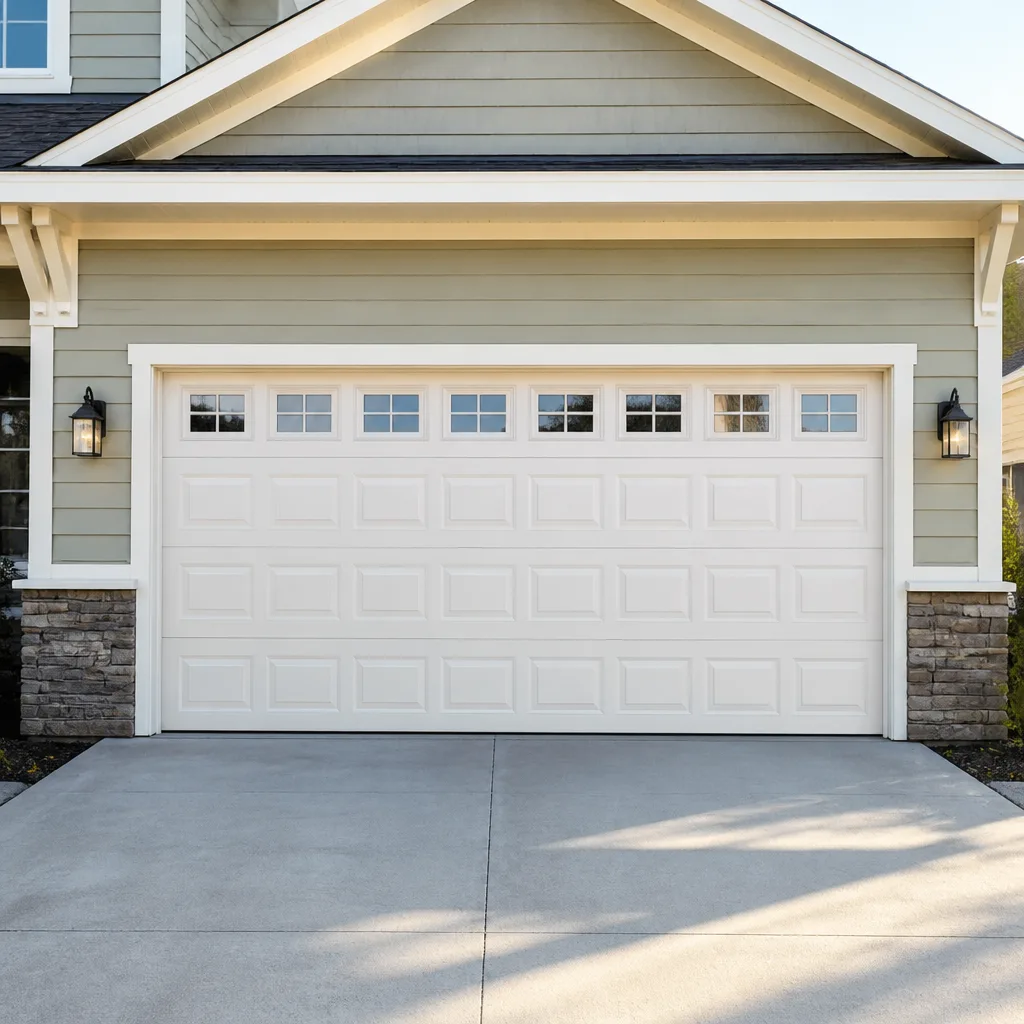 Raised-panel steel
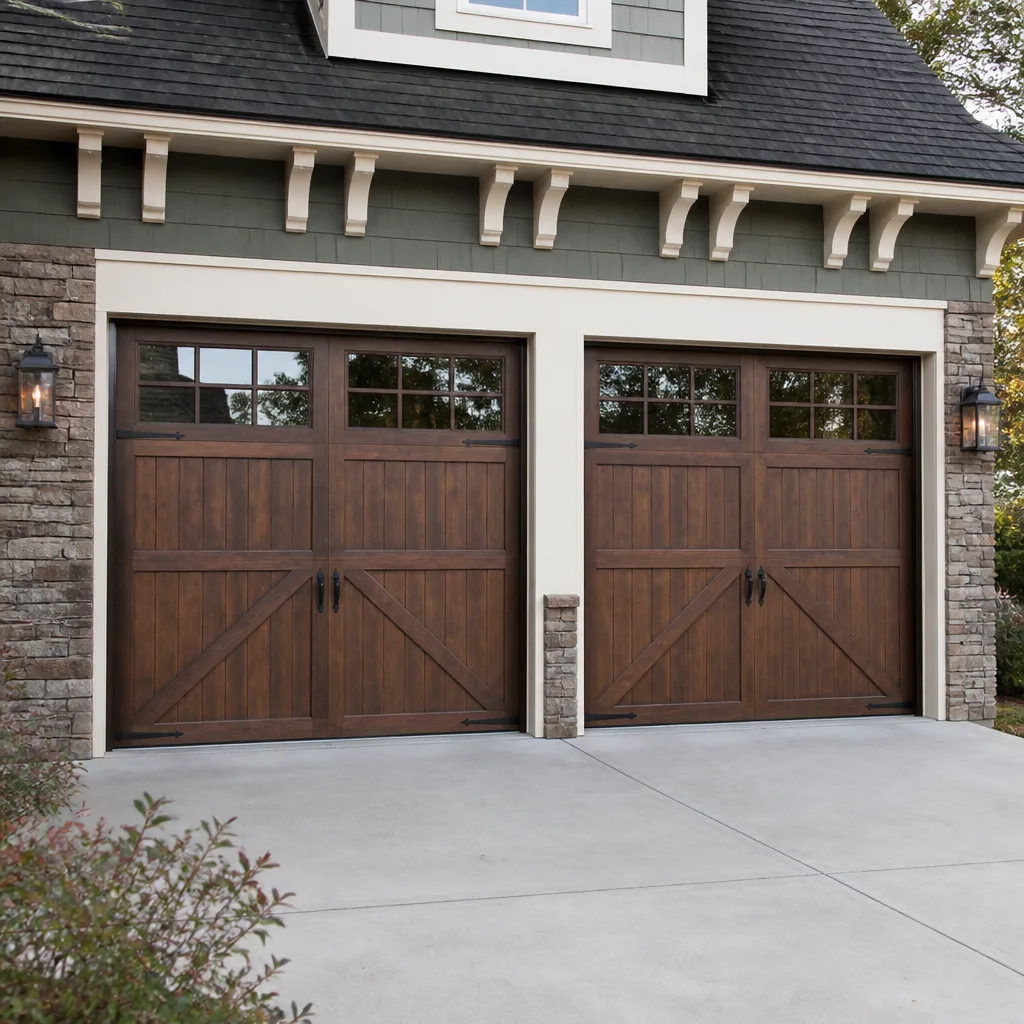 Carriage house
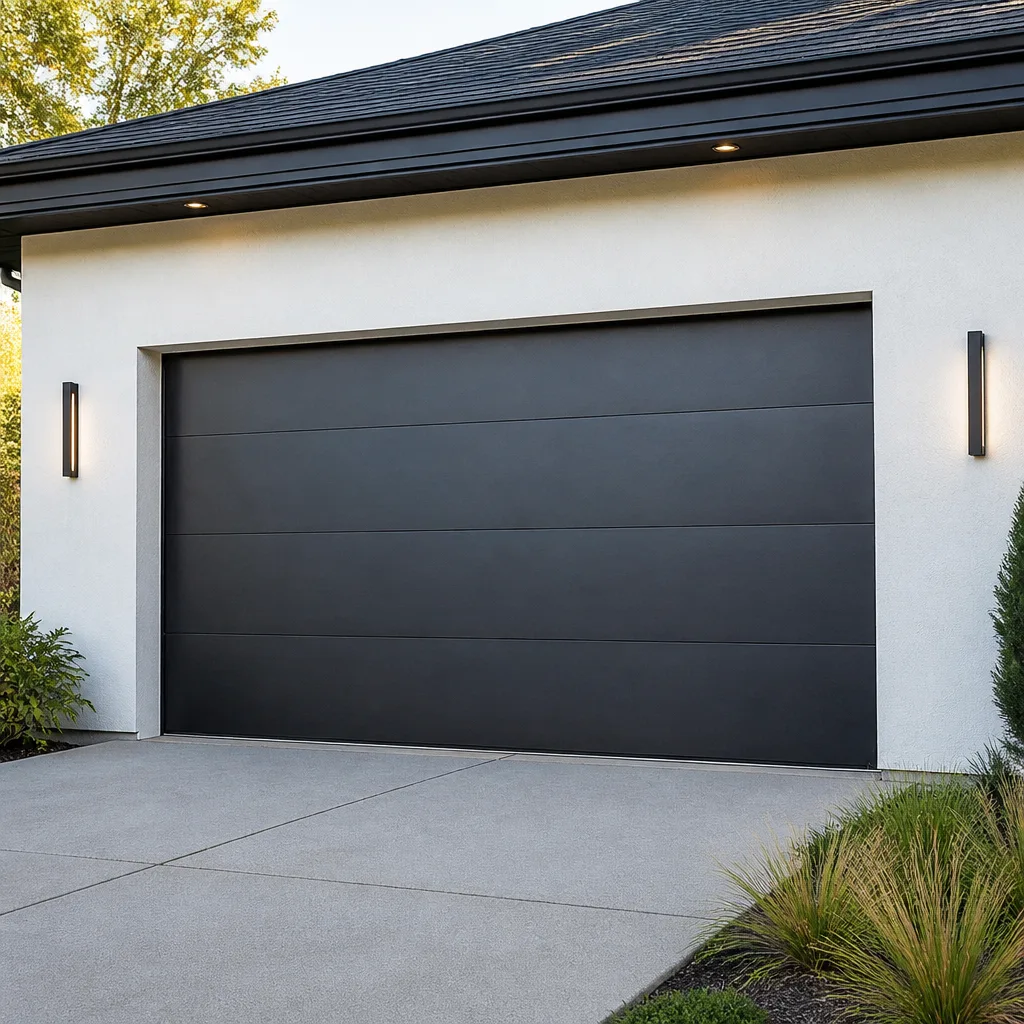 Modern flush
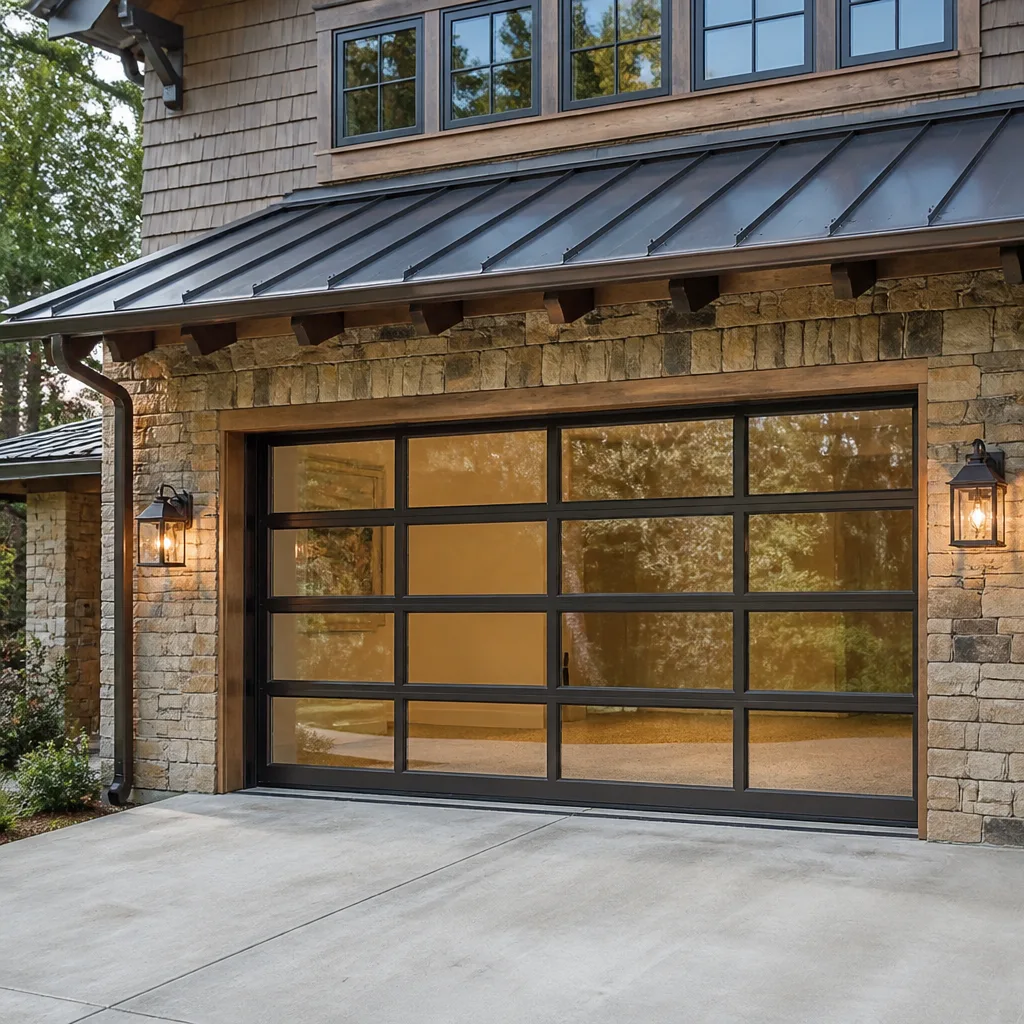 Full-view glass
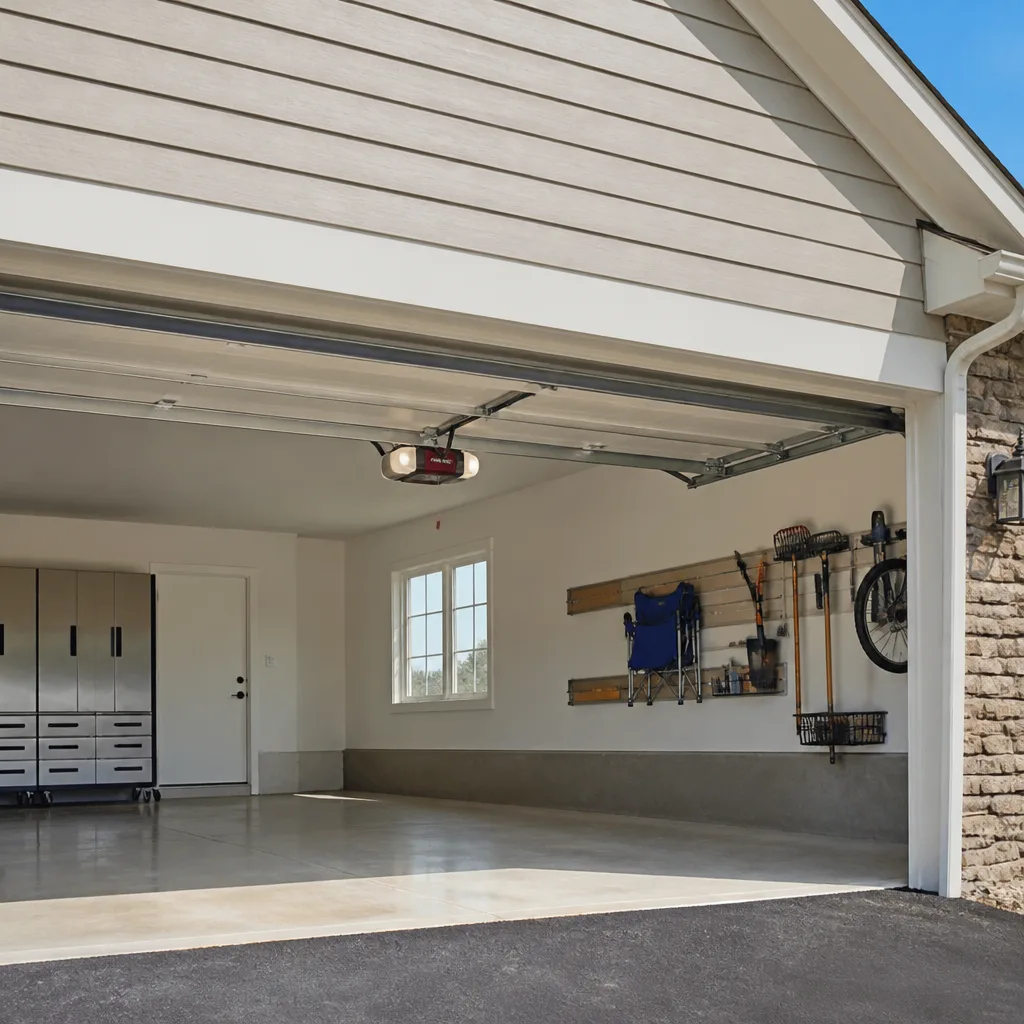 LiftMaster openers
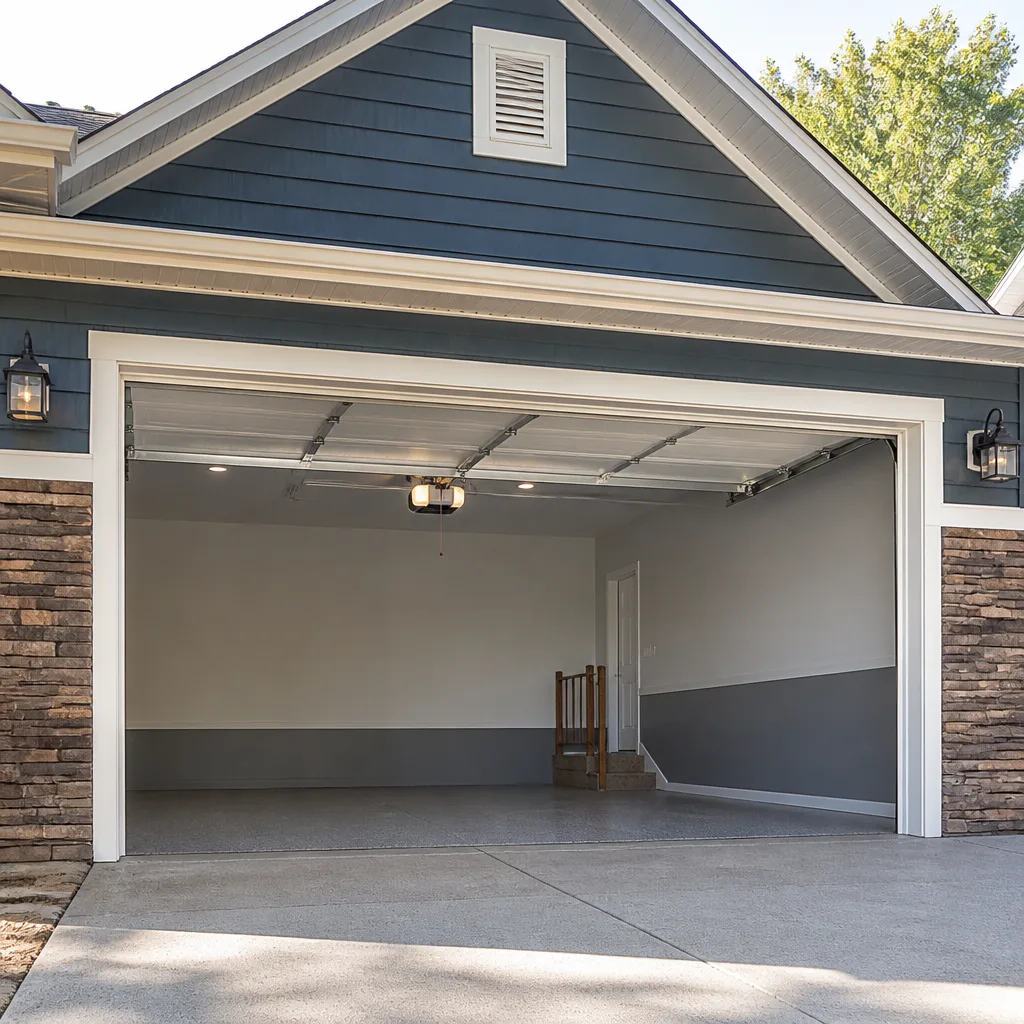 Chamberlain openers
Full 25-point door and opener safety check with every visit - springs, cables, rollers, tracks, and your LiftMaster or Chamberlain opener included
You get a price before we start. It does not change when the pro arrives.
Get your free estimateGarage Door Warning Signs: A Spring Hill Homeowner’s Reference Guide
A garage door doesn’t snap, fall, or fail without warning. It telegraphs the problem for weeks. The homeowners who end up with a door down at 6:45 a.m. almost always describe a symptom they noticed, and ignored, two months earlier. That’s the strange part about these machines: they’re built to complain before they quit, and most of us are too busy backing out of the driveway to listen. This guide teaches you to read your door as a system instead of a single moving part, so you can tell a loose roller from a spring that’s about to let go. We’ll cover the sounds, the gaps, the rust patterns, and the speed changes that actually mean something in Spring Hill.
Quick Answer
Most garage door failures give warning signs weeks in advance: the door hesitates on the way up, an unfamiliar sound develops, a gap appears at one corner of the bottom seal, or the door reverses by itself. In Spring Hill, the signs that matter most are uneven travel, a door that’s slow up and fast down, and rust colored dark along a torsion spring. Catching any one of these early turns a possible emergency into a scheduled repair.
Styles & brands we work with
- Raised-panel steel
- Carriage house
- Modern flush
- Full-view glass
- LiftMaster openers
- Chamberlain openers
Table of Contents
- Why Your Door Warns You Before It Fails
- The “Slow on the Way Up, Fast on the Way Down” Pattern
- Three Sounds, Three Different Fixes: Track, Roller, or Cable
- Why a Gap at the Bottom Seal Is Rarely a Weatherstripping Problem Here
- Reading Rust on Torsion Springs: What’s Cosmetic and What’s Not
- Why Your Door Closes and Immediately Reopens
- A 10-Minute Monthly Check for Spring Hill Homeowners
- When to Call a Professional
Why Your Door Warns You Before It Fails
A garage door is a balanced system, not a motorized panel. The springs carry the weight. The opener only guides it. The tracks keep the door aligned. The rollers reduce friction. The cables connect the spring tension to the bottom of the door. When one part drifts out of spec, the other parts work harder to compensate, and that extra strain is what you hear, feel, and eventually see.
That’s why the early warning signs almost never point at the failing part directly. A worn roller shows up as a jumpy door. A tired spring shows up as a slow opener. A misaligned track shows up as a grinding sound from the opener’s gear. In our experience, Spring Hill homeowners are often surprised by which repair actually solves their problem, because the symptom they noticed lived three components away from the cause.
Think of it as a chain of complaints. The system starts to complain through small changes:
- The door gets louder before it gets stuck
- It hesitates before it reverses
- It travels a little slower before it stalls
- A corner dips before a seal tears
- A spring darkens before it snaps
A door that fails suddenly is almost always a door that was already failing slowly. Reading it as a system, and reading these signs as early signals, is the difference between a scheduled repair and a call you’d rather not make.
The “Slow on the Way Up, Fast on the Way Down” Pattern
This is one of the most misread patterns we see in Spring Hill. The homeowner notices the door takes its time going up, then drops more quickly than usual on the way down. The instinct is to blame the opener, but that’s rarely where the issue lives. The pattern usually points to spring tension that’s fallen off, not a failing motor.
Here’s why. When the torsion spring or springs are under the right tension, they carry most of the door’s weight, so the opener only has to nudge. When the springs weaken, the opener takes on that load going up, which makes it sound tired and travel slowly. On the way down, gravity does the work and the now under-tensioned springs no longer hold the door back, so it drops faster. The opener isn’t the problem; it’s doing more than it was rated to do because the springs are no longer holding up their end.
What to check before you assume the opener is bad:
- Pull the manual release (with the door closed) and lift the door about halfway by hand. If it feels heavy and won’t stay in place when you let go, the springs are the issue.
- Watch the door open at a normal pace and note whether it hesitates in one spot. A hesitation around the middle is a classic spring tension symptom.
- Listen to the opener during the up cycle. If it’s straining but the door still moves, the motor is likely fine and overloaded.
- Look at the wall-mounted opener head. If it seems to shudder or buzz on the way up, that’s the motor compensating, not the motor failing.
If the pattern matches, the repair is usually spring-related, not an opener replacement. That’s a much smaller job than homeowners assume. When the opener itself is failing, the symptoms run the other way: the door stops partway with no change in weight, the wall button does nothing, or the remote works only up close. That’s when it’s time to look at garage door opener repair for the Spring Hill system, especially if the opener is a Genie, LiftMaster, Chamberlain, or Craftsman unit that’s been in place through several owners.
Three Sounds, Three Different Fixes: Track, Roller, or Cable
The sound you hear does more diagnostic work than you’d expect. Grinding, squealing, and popping trace back to three different parts of the system, and confusing them sends you toward the wrong repair.
Grinding: usually the track
A rhythmic grinding or scraping sound that follows the door as it travels is usually a track issue. The track has been bumped, or a roller has worn enough that the door no longer sits centered, and a metal edge is dragging. It often starts on one side. If the grinding gets worse when the door reaches the top or bottom of its travel, suspect the curve of the track where the vertical meets the horizontal.
Squealing or high-pitched whining: usually a roller
A steady squeal that tracks with door speed is typically a worn steel roller. Factory rollers are steel and become rough after enough cycles, and that roughness is what squeals. Nylon rollers and their bearings are quieter and tend to last longer, which is one reason we often recommend swapping them out on older Spring Hill doors that see daily use. A $12 roller is a small fix; letting it grind on the track for a season is not.
Popping or snapping: usually a cable
A sharp pop, especially when the door reaches the bottom, is a classic cable symptom. Cables fray near the drum, and once a strand breaks, the cable begins to slip. This is not a homeowner fix. A cable under tension can recoil with enough force to injure someone, and the door can drop without warning. If you hear a pop, stop using the door and call for service.
A simple diagnostic: listen for rhythm. A consistent grind that repeats with the door’s travel is a track. A continuous squeal that changes pitch with speed is a roller. A one-time sharp pop that doesn’t repeat, followed by a door that behaves differently, is a cable.
Why a Gap at the Bottom Seal Is Rarely a Weatherstripping Problem Here
In most of the country, a bottom seal that lifts on one side is a weatherstripping problem, because the door frame has shifted with seasonal movement. In Spring Hill, that’s rarely the case. Our climate doesn’t work that way. The cause is almost always in the spring system or the door’s balance, not the seal itself.
When the torsion spring or the springs on either side lose tension unevenly, the door comes down slightly crooked. The side with more tension pulls tighter against the floor; the side with less tension stops just short and leaves a visible gap. The gap looks like a seal failure because that’s where you see it, but the seal is doing what it was made to do.
Here’s how to tell the difference:
- Put a shop light on the floor on the “short” side and close the door. If the light leaks along a straight line under the seal, it’s a seal or threshold. If it wedges open toward one corner, the door is unbalanced.
- Watch the door come down slowly. If one side reaches the floor before the other, that’s a spring balance issue.
- Look at the top panel gap on the same side. If that gap is also uneven, the door is not square in the opening, which almost always traces back to spring tension or a bent track.
- Push up on the short side with the door closed. If the door lifts slightly on that side, the springs are not holding evenly.
That’s why re-sealing or replacing the bottom weatherstripping rarely fixes it. A new seal on an unbalanced door will simply open back up within a couple of weeks. The right repair is a spring adjustment or replacement, done by someone who understands the tension on both sides.
Reading Rust on Torsion Springs: What’s Cosmetic and What’s Not
Torsion springs are steel wire coiled under tension. In any climate, they’ll show some discoloration after a few seasons; that surface layer is expected and doesn’t mean the spring is about to break. In Spring Hill, our humidity means most garage springs will show surface oxidation at some point, and that alone is not a warning sign.
What actually signals imminent failure is a specific pattern of rust: dark, localized pitting in a band or near the end of the coil, often paired with a flaking or scaly look. That’s the wire losing cross-section at a spot where it’s about to break. What’s cosmetic is the even, light, powdery orange layer over the whole coil, without pits and without flaking.
Other spring warning signs that outweigh rust:
- A visible gap between coils when the door is closed (the spring has stretched)
- A spring that looks “unwound” or hangs slightly loose on the torsion bar
- Audible metallic clicking from the spring when the door moves
- A chalky white or black band on the coil, paired with a heavy rust patch
- A door that suddenly got heavier to lift by hand (spring tension has dropped)
If the rust pattern is dark and pitted, don’t wait. A torsion spring under load can fail without warning, and when it does, the door becomes very heavy in a hurry, and any metal shards can be dangerous. Spring repair is one of the most safety-sensitive jobs in the trade, and it’s not a job to attempt without the right winding bars and training. Our technicians have up to 13 years of experience on exactly this repair, and spring work is where we see the difference between a generalist and a specialist most clearly. When the pattern fits, the right call is spring repair rather than a “wait and see.”
Why Your Door Closes and Immediately Reopens
The door comes down, touches the floor or stops partway, and reverses back up. Most homeowners call this a sensor problem, and while the safety sensors are one possible cause, they’re not the usual one in Spring Hill. Before touching the sensors, look at the door’s travel and force settings and the bottom seal.
The three real causes, in order of likelihood:
- Force setting is too tight. Every opener has an adjustable close-force limit. When it’s set too sensitive, the door reverses on a small bump of resistance, like the bottom seal contacting the floor. This is the most common cause and usually the easiest fix.
- Bottom seal obstruction. A stiff, split, or dirty bottom seal can send a false obstruction signal. Florida humidity makes the rubber brittle and the seal can harden over a season, especially if the door faces west and takes the afternoon sun.
- Safety sensor misalignment. The sensors have to be aimed at each other and clear of cobwebs, dirt, and sunlight. If the receiving sensor’s indicator light is off or flickering, that’s the sensor, not the opener.
A quick way to sort out which one it is: hold the wall button down continuously. If the door closes and stays closed while you hold the button, the door isn’t detecting a real obstruction; it’s detecting a phantom one at the seal or force setting. If it reverses anyway, the sensor is the more likely culprit.
Don’t bypass the safety sensors or tape them, even temporarily. They exist because a door that closes on something can injure someone. If the reversing behavior is inconsistent, or if you’ve tried the sensor alignment without a fix, this is a good moment for opener service. Reversing doors are one of the most common calls we handle in Spring Hill, and most are resolved with a force-setting adjustment and a new bottom seal.
A 10-Minute Monthly Check for Spring Hill Homeowners
You don’t need a tool kit to keep ahead of most garage door failures. Ten minutes a month is enough to catch the signs that would otherwise turn into an emergency. Here’s the check we’d recommend to any homeowner:
- Run the door and listen. Note any sound that wasn’t there last month. Grinding, squealing, and popping all count.
- Watch for hesitation. Stand in the driveway and watch the full up cycle. A door that stutters once is a door that needs a look.
- Check the balance. With the door closed, pull the manual release, lift the door about halfway, and let go. A balanced door stays put. A heavy door drops; a too-tight door lifts on its own.
- Look at the springs. Check for dark, pitted rust and for any gap between coils when the door is closed.
- Inspect the bottom seal. Look for a diagonal gap at one corner, and for cracks or brittleness in the rubber.
- Test the safety sensors. Wave a hand or a piece of cardboard across the sensor beam with the door closing and confirm the door reverses.
- Check the rollers. With the door closed and the release engaged, look for flat spots, cracks, or steel rollers that have developed a rough edge.
- Lubricate the system (lightly). A small amount of white lithium grease on the torsion bar and hinge points cuts a lot of noise. Avoid spraying the track itself; it collects debris and grit in our climate.
Spring Hill’s warm, humid summers mean seals and steel springs age a bit faster than in drier climates, so a monthly two-minute visual on the springs is worth the habit. The doors that last the longest are almost always the ones someone is watching.
See the difference
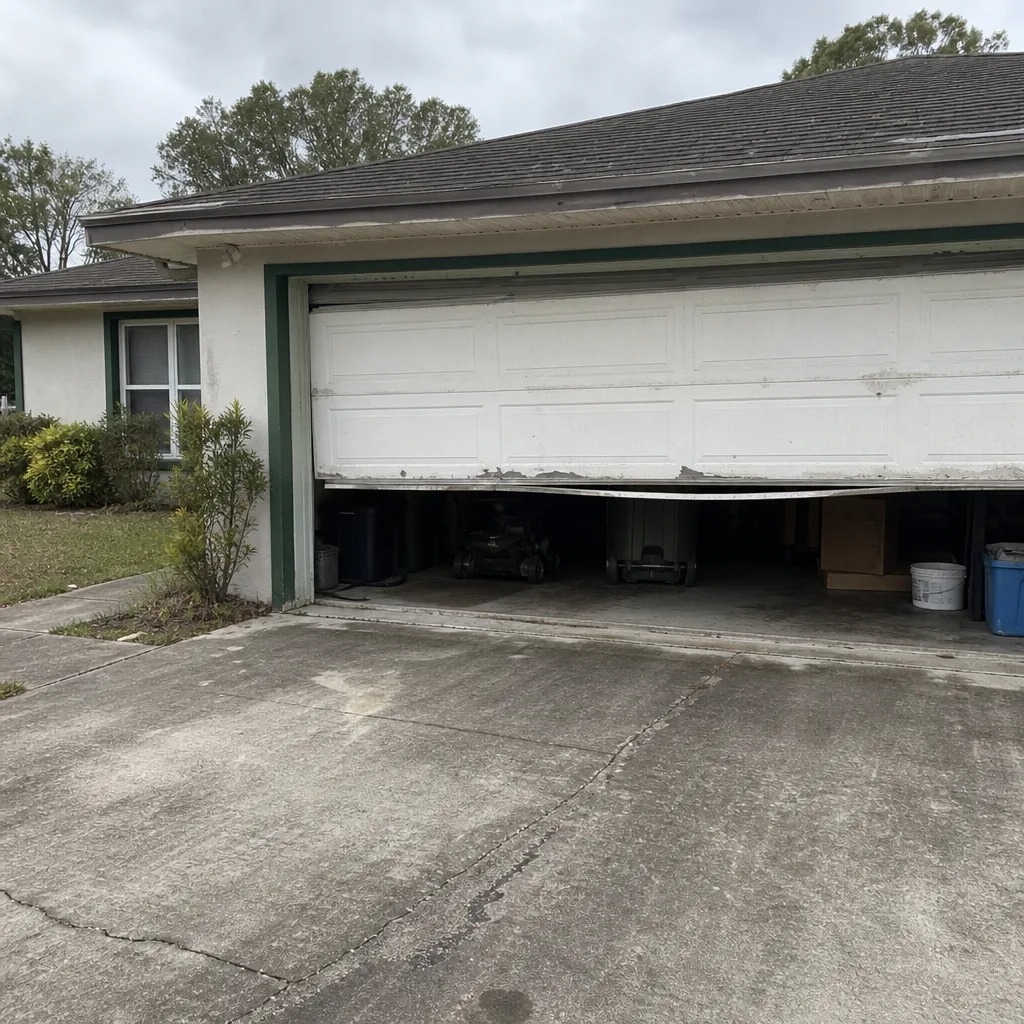 Before
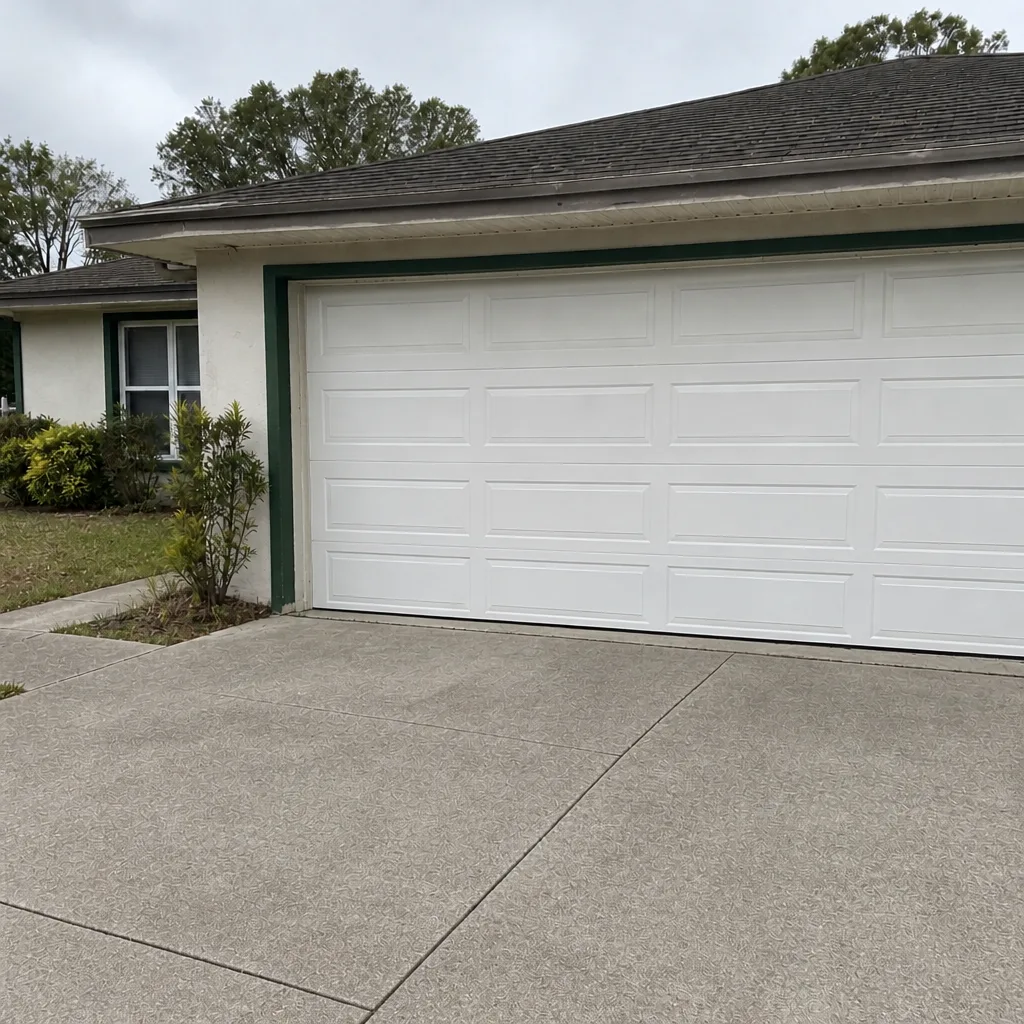 After
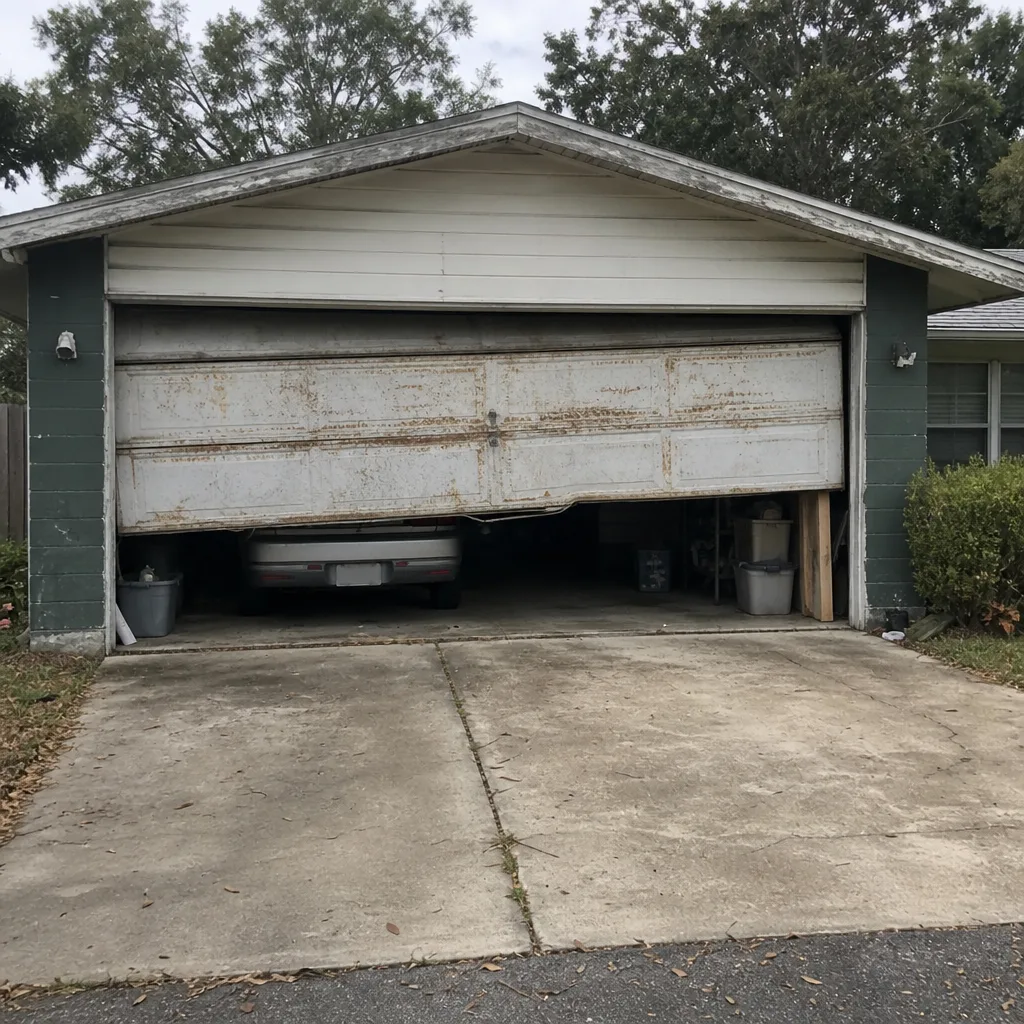 Before
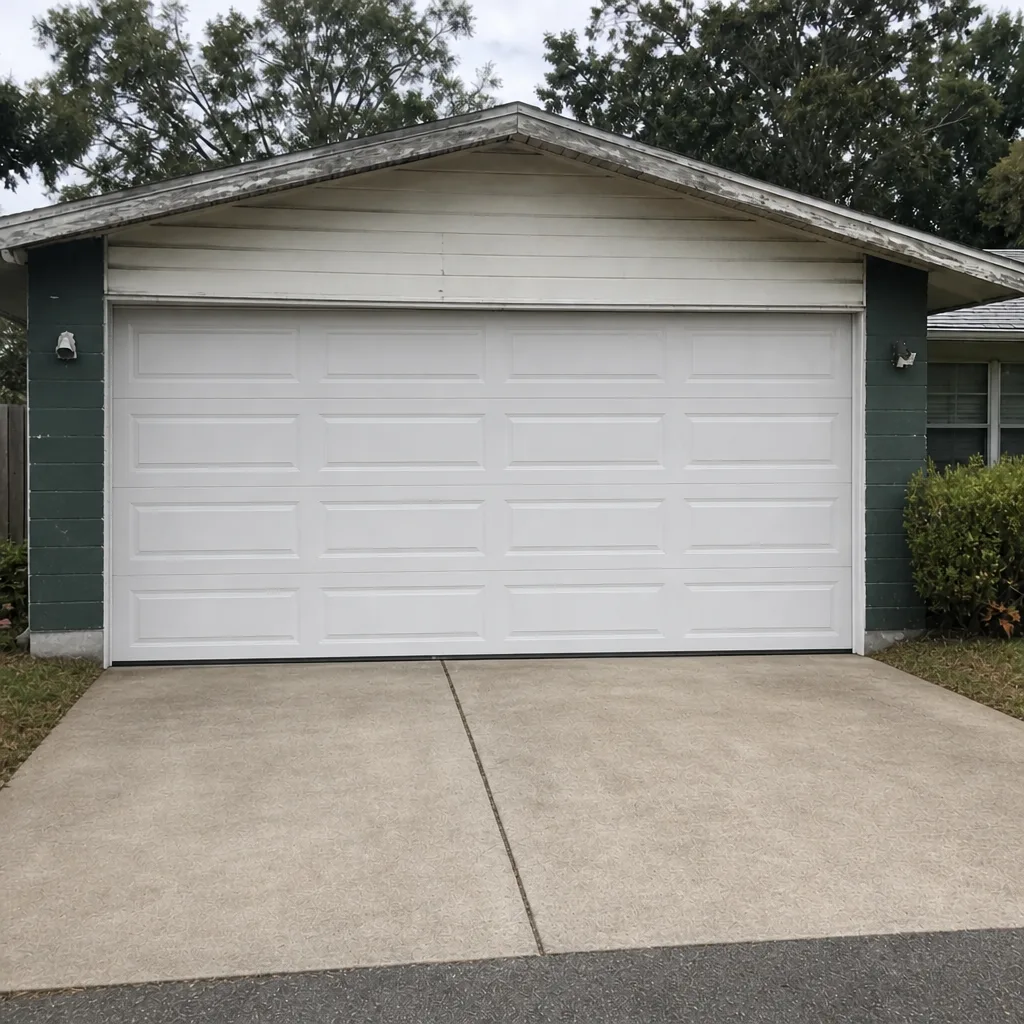 After
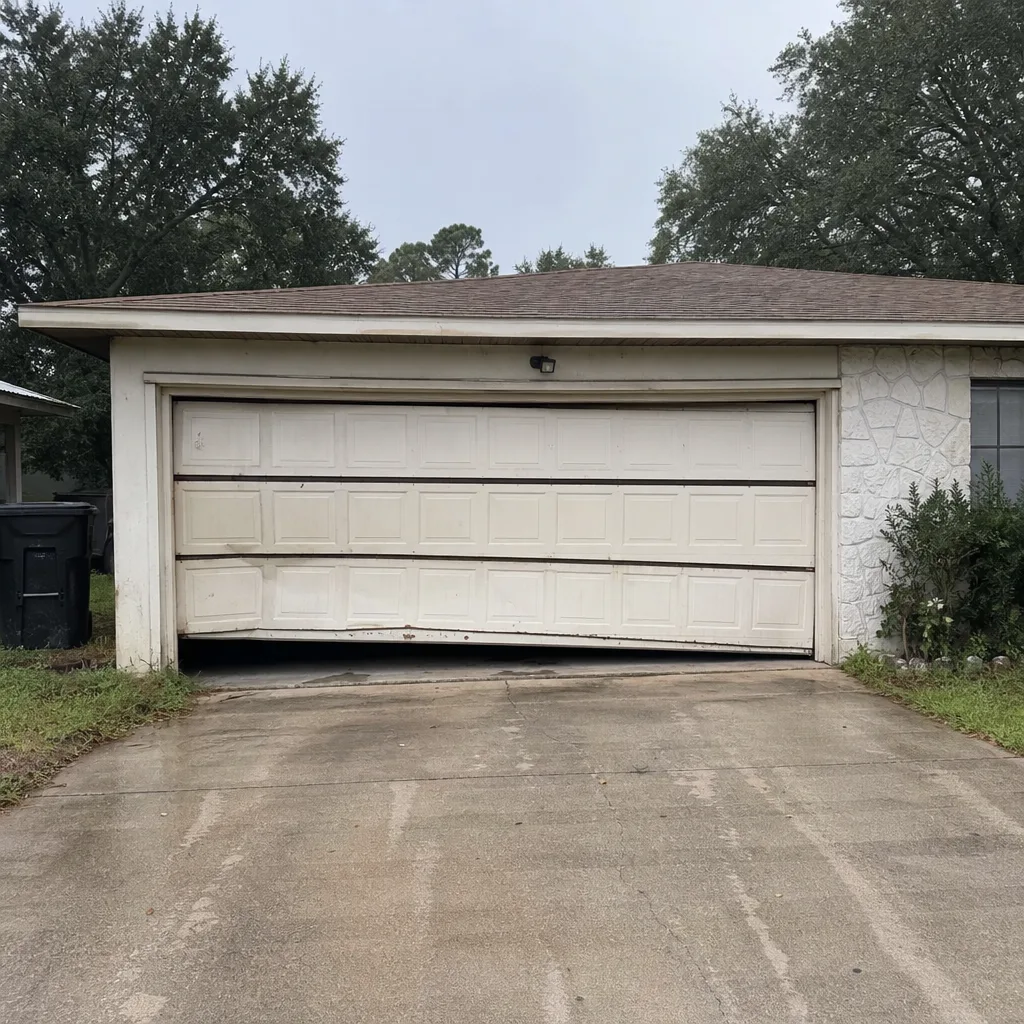 Before
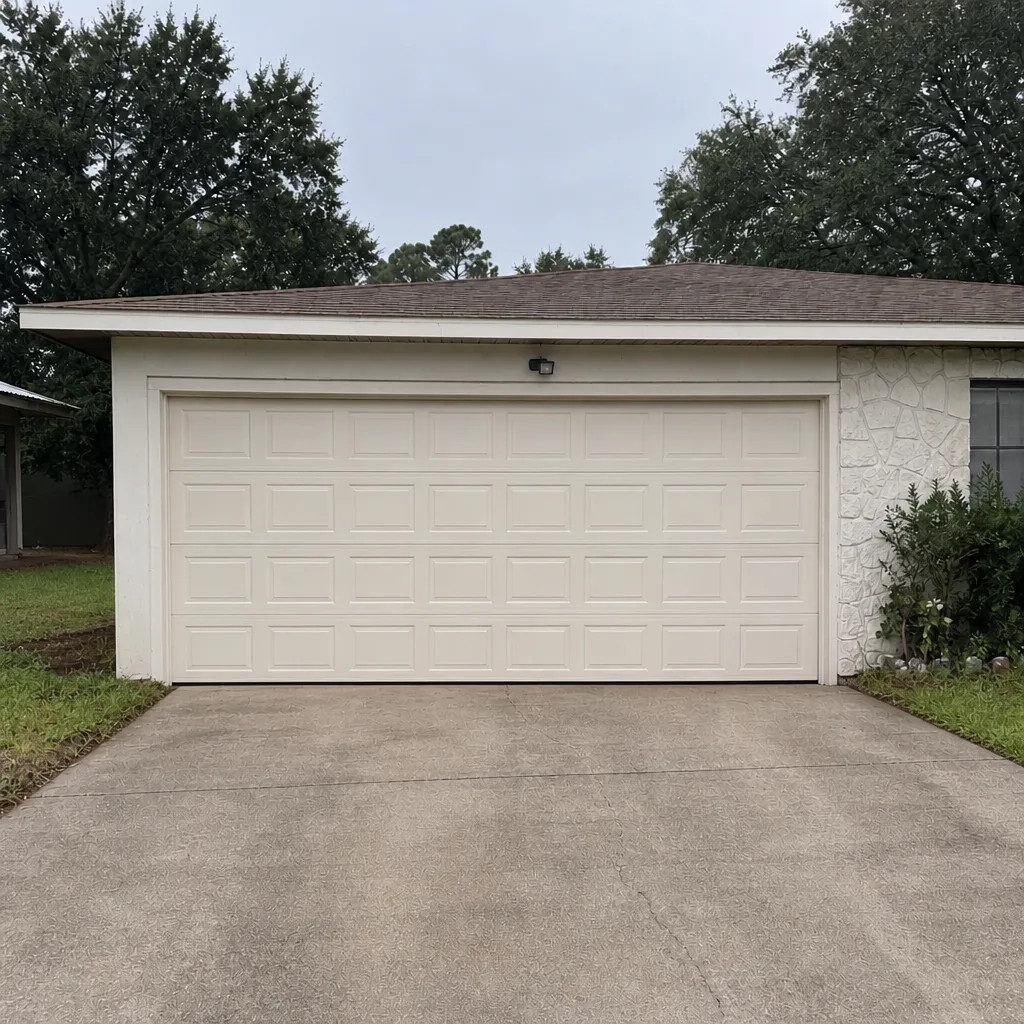 After
Common Mistakes to Avoid
- Assuming “it’s just the opener.” The opener gets blamed for most garage door problems, but it’s rarely the failing part. Slow travel, hesitation, and popping sounds are usually spring or balance issues, and replacing the opener won’t fix them.
- Ignoring a spring with a pitted rust band. Surface oxidation is cosmetic. Dark, scaly pitting in a band means the spring is losing cross-section, and that’s when they break.
- Resealing the bottom weatherstripping without checking balance. In Spring Hill, a diagonal gap at the floor is usually a spring tension problem. A new seal on an unbalanced door opens back up in a couple of weeks.
- Bypassing or taping over safety sensors. A door that reverses on its own is trying to tell you something. Sensors keep the door from closing on a child, a pet, or a car; never disable them, even briefly.
- Lubricating the track. A greasy track catches dust and yard debris, and the door starts to drag. Grease goes on the spring, hinges, and rollers, not on the guide rails.
- Winding a torsion spring without training. This is a repair that can injure someone. If the spring needs a winding or a swap, leave it to a technician with the right bars and experience.
- Waiting for a full failure before booking a service call. The most expensive garage door repairs we see are the ones that were scheduled as an emergency instead of as a tune-up. A door that’s been hesitating for a month isn’t improving on its own.
When to Call a Professional
Some signs are safe to watch for a week. Others need a call today. If the door reverses on its own and won’t stay closed, if you hear a sharp pop followed by a door that won’t lift, if a torsion spring has visibly snapped or the bar is slack, or if the door has come off its track and is hanging crooked, those are all cases where the door can cause injury or leave your home unsecured. A door that’s down also means a car that can’t get out, which turns into a very long day very quickly. If your system needs a hands-on look, our team handles garage door repair for the Spring Hill area with a written estimate before any work starts.
For less urgent symptoms, like a slow door, a grinding sound, or a gap at the bottom seal, a scheduled visit is usually the better call. Spring Hill Garage Door Repair Co offers free estimates in Spring Hill. Call (877) 792-6784 to book a visit or ask about emergency service if the door is already down.
Frequently Asked Questions
The most common first sign is hesitation on the way up. The door pauses briefly or slows down and then continues, usually because the springs are losing tension and the opener is compensating. Most homeowners describe it as “the door’s just a little slow” for weeks before anything actually fails.
Almost always the springs. Slow up and fast down is the classic pattern for a torsion spring that has lost tension, because the opener takes on the door’s weight going up and the weakened springs stop holding the door back on the way down. If the opener is old and you want it looked at too, we can check both on the same visit; just let us know when you call.
Dark, localized pitting in a band or near the end of the coil is dangerous; an even light orange layer is cosmetic. The dangerous pattern looks scaly and flaky, and it often comes with a gap between coils or a spring that looks slightly unwound. A spring with that pattern is close to failing and should be replaced by a technician.
In this climate, it’s almost never a weatherstripping problem. A gap on one side means the door is coming down unevenly, and that’s a spring balance or track alignment issue. Resealing the bottom seal without fixing the balance leaves you with the same gap a couple of weeks later; getting the door balanced first is the durable fix.
For repair and emergency calls, we offer same-day service and fast dispatch from 7am to 7pm, with a free estimate before work starts. The local pro is licensed and insured as the state requires, and you’ll get a written price you’ve agreed to before anything begins. Installations and replacements are different: those are measured, ordered, and scheduled, so we’ll book a free measure with a written quote rather than promise same-day.
Sometimes, depending on the policy, but it depends on the carrier and the cause. We don’t provide insurance advice; the honest answer is to read your policy or call your agent before assuming it’s covered. What we can do is give you a written estimate so you have the number to compare against your deductible. Call (877) 792-6784 and we’ll get you scheduled.
The Bottom Line
Your garage door will tell you what’s wrong weeks before it fails. Watch for hesitation on the way up, a door that’s slow up and fast down, a diagonal gap at the bottom on one side, dark pitted rust along a spring, or a door that reverses without something in the way. Each of those is a specific signal about a specific part, and none of them get better by waiting. Reading the door as a system, not a single part, is what turns a $400 emergency into a scheduled tune-up, and what keeps your car and your home safe while the door keeps doing its job.
If you’re seeing any of these signs in Spring Hill and want a professional read, we work on the brand already in your garage, whether it’s a Genie opener, a Clopay door, an Amarr panel, or a Wayne Dalton system. We can also talk through garage door opener repair for the opener side, or garage door installation for the moment you’re ready to replace rather than repair.
Call (877) 792-6784 for a free estimate. Spring Hill Garage Door Repair Co handles the full range from tune-ups to full-system consultation, and we’ll tell you honestly which side of that line your door is on.
Written by the team at Spring Hill Garage Door Repair Co.