Last updated November 22, 2026
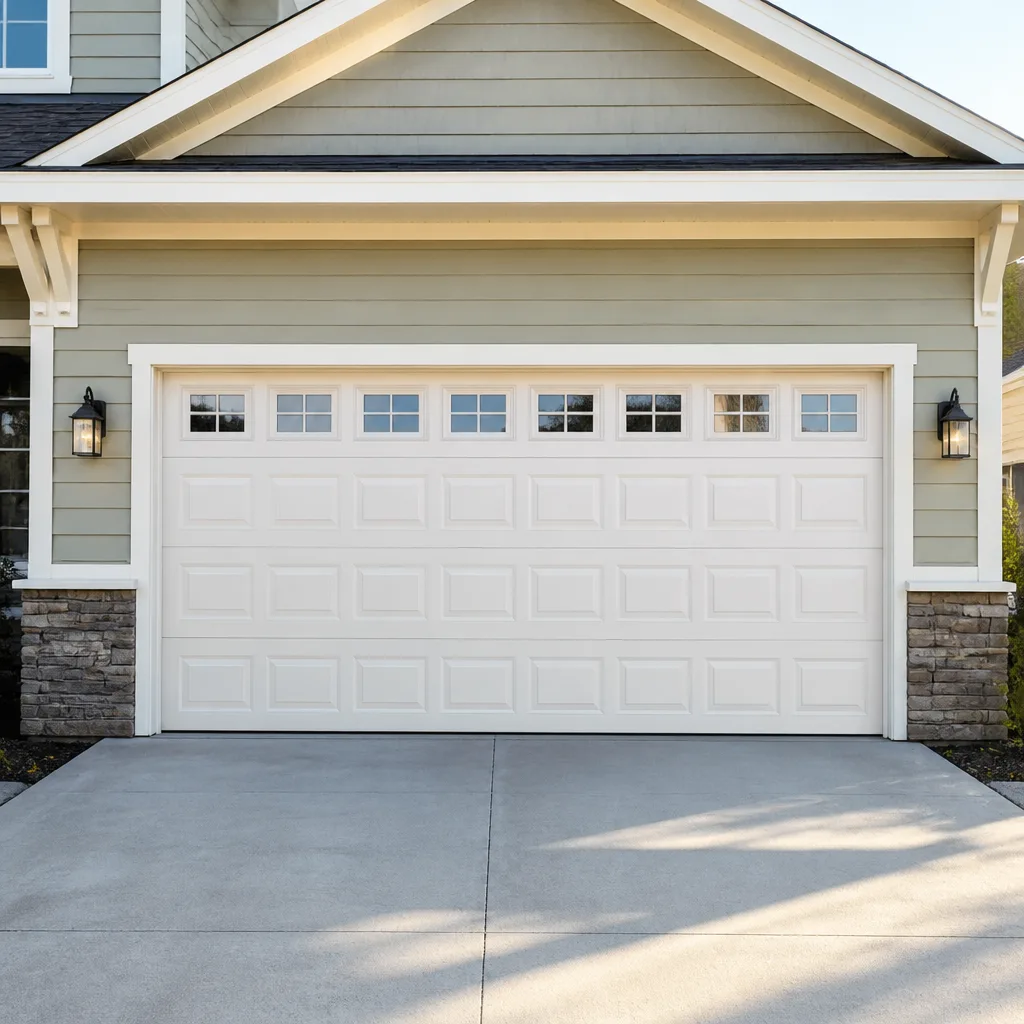 Raised-panel steel
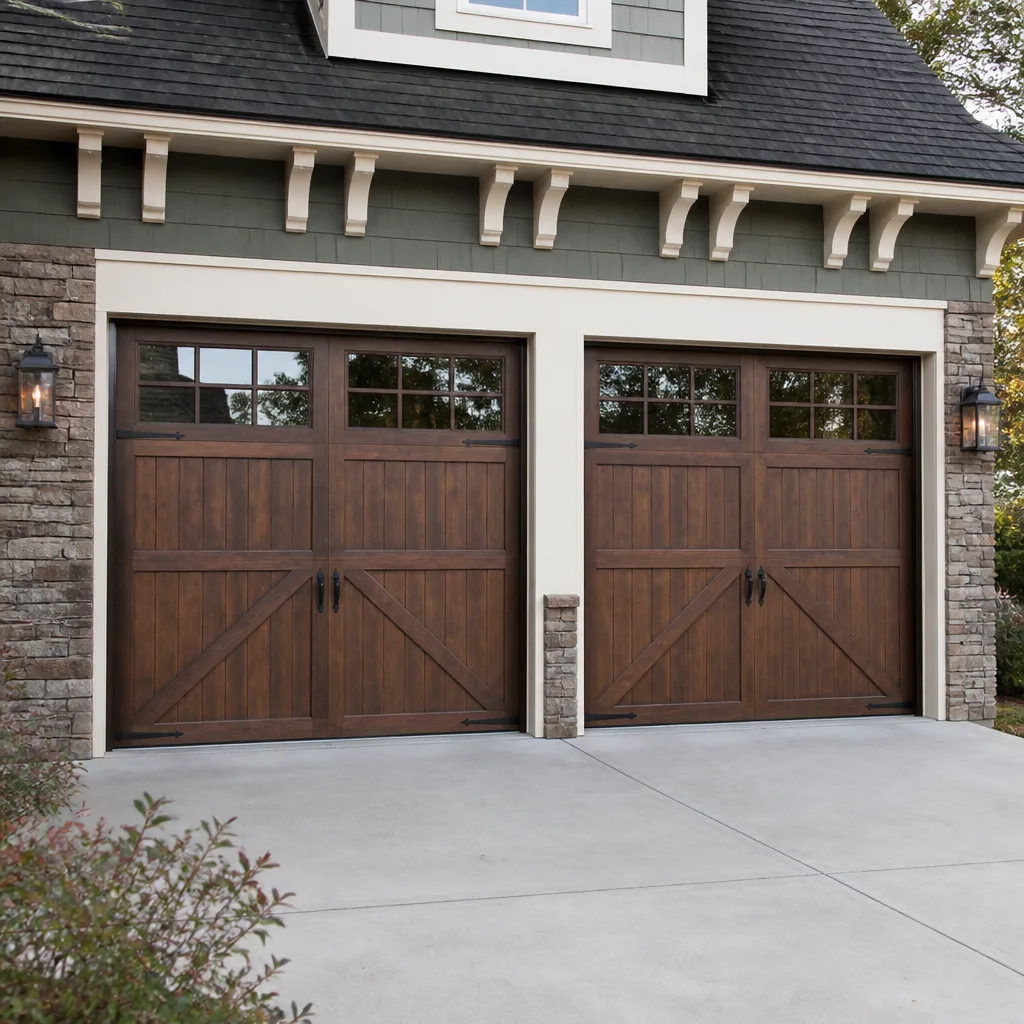 Carriage house
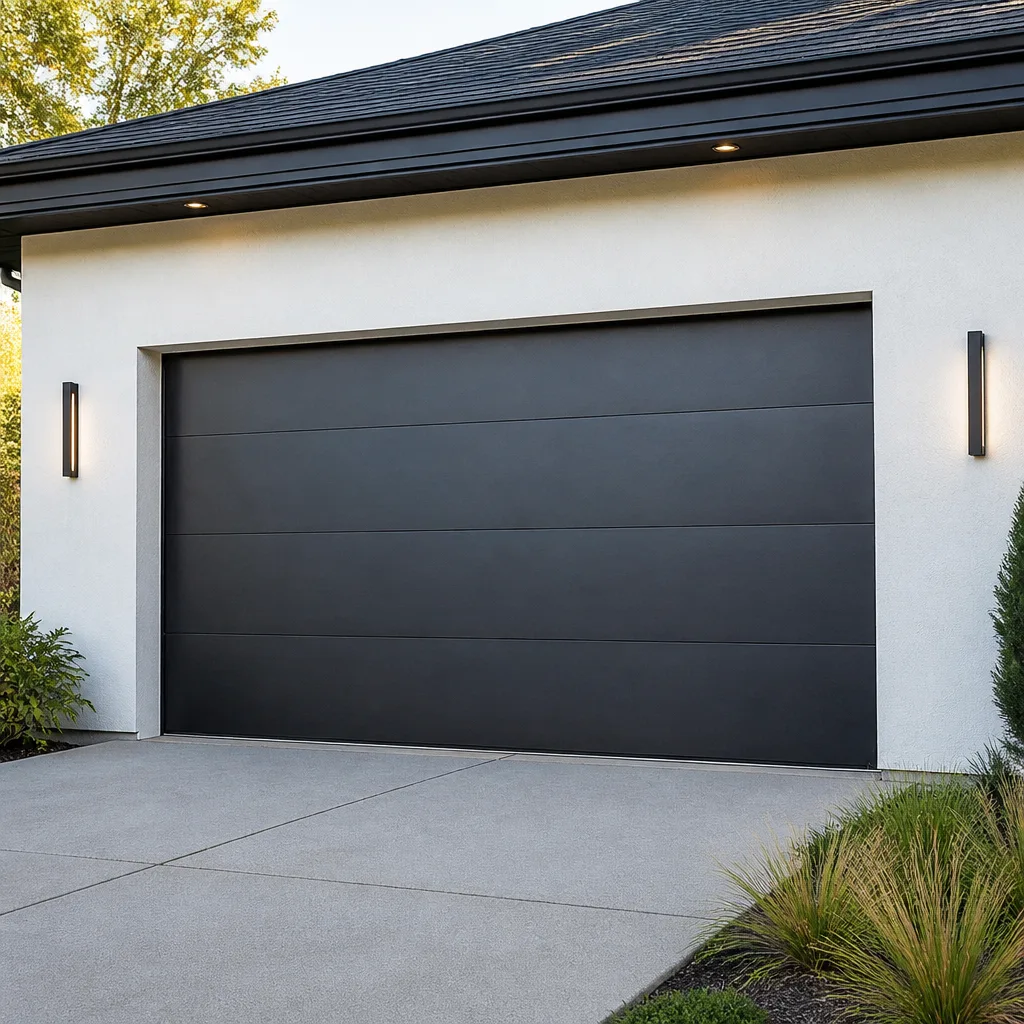 Modern flush
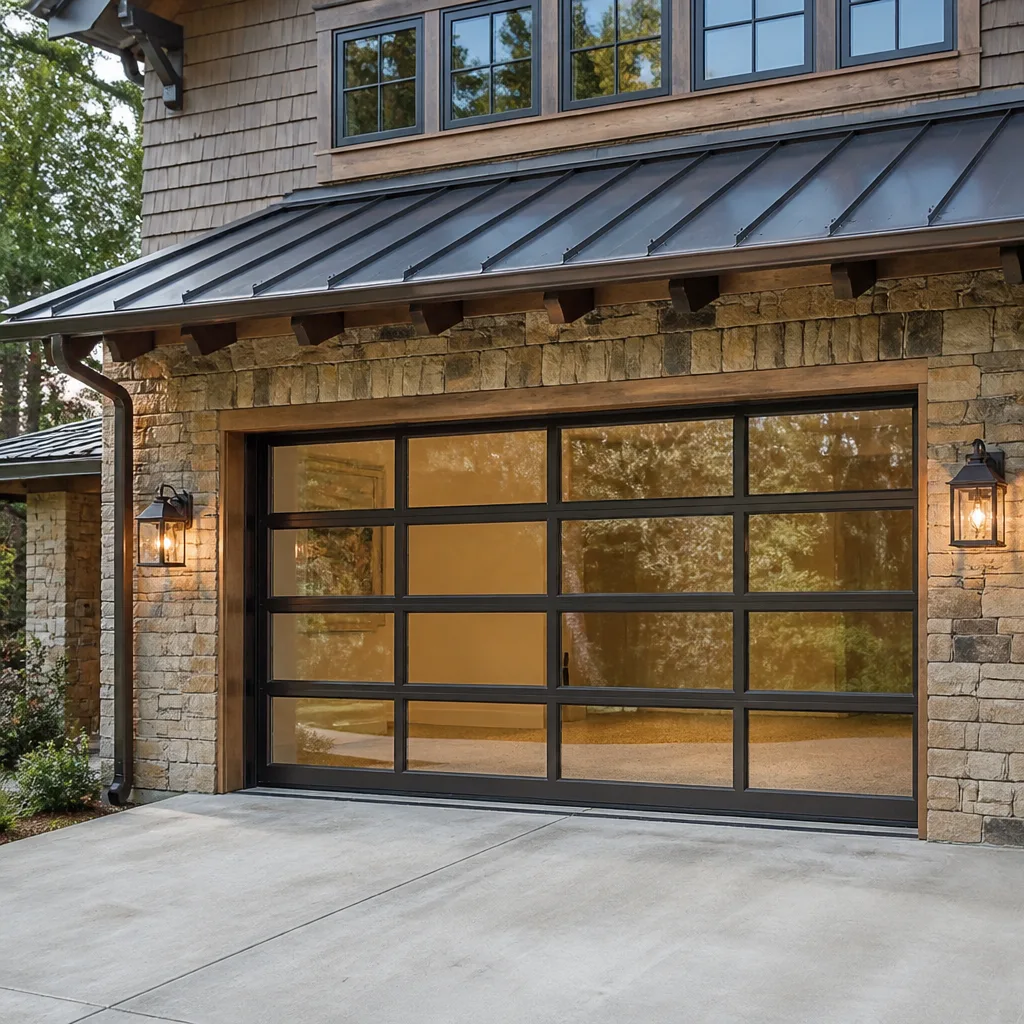 Full-view glass
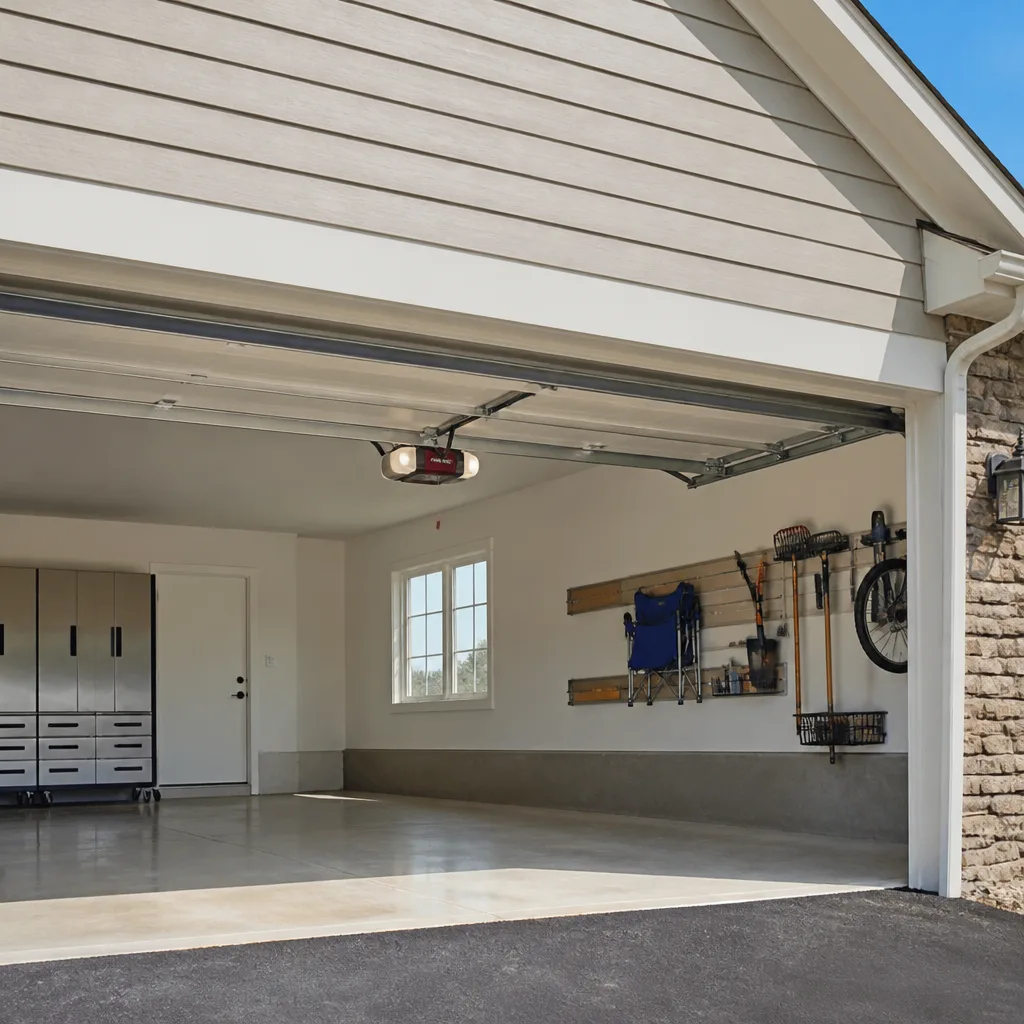 LiftMaster openers
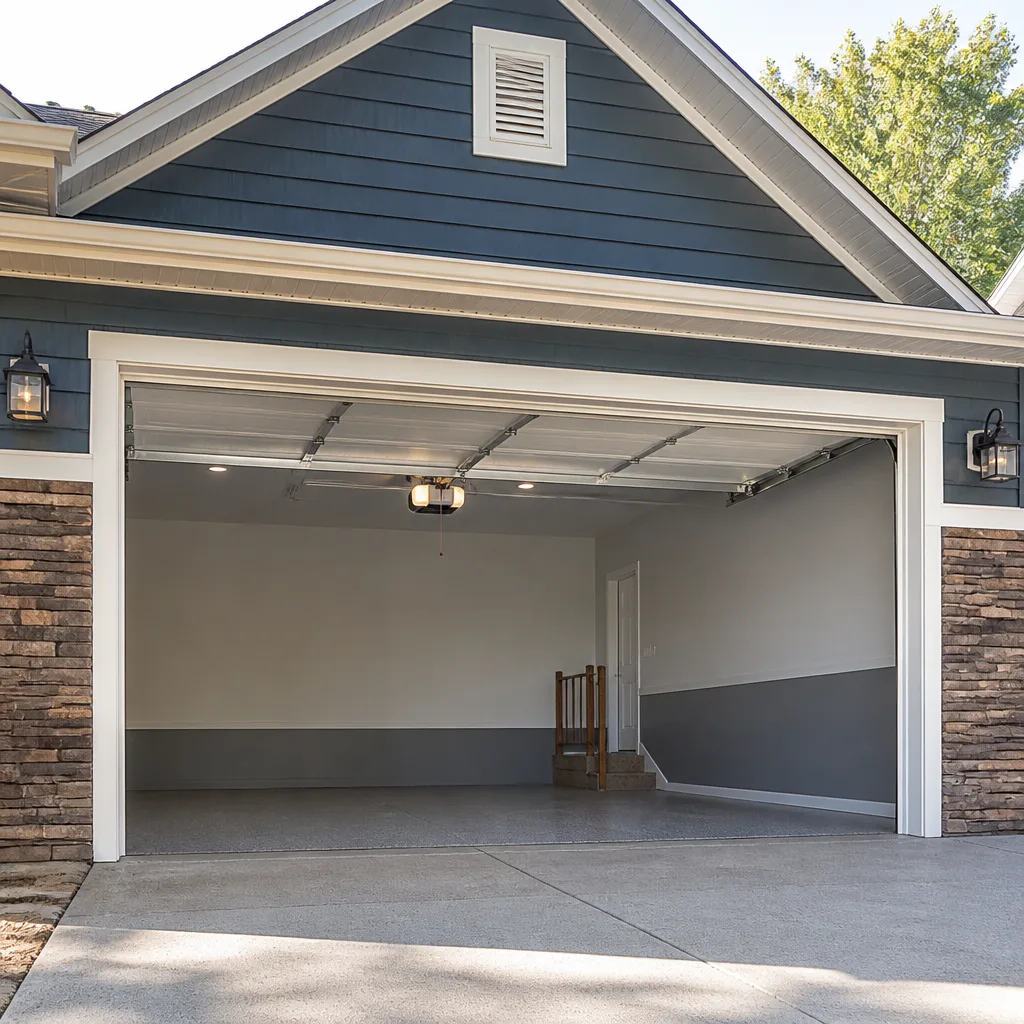 Chamberlain openers
Full 25-point door and opener safety check with every visit - springs, cables, rollers, tracks, and your LiftMaster or Chamberlain opener included
You get a price before we start. It does not change when the pro arrives.
Get your free estimateThe Complete Guide to Garage Doors in Spring Hill
Most garage door guides are written for homeowners in Ohio. They talk about snow load, frost heave, and ice jamming the bottom seal. Spring Hill is a different climate and a different kind of ground. We sit about 50 miles from the Gulf of Mexico, we get around 55 inches of rain in a year, and much of this area is built on limestone karst with subdivisions graded on fill. None of that shows up in the advice you find on page one of Google. This guide maps every decision a Spring Hill homeowner faces – door material, spring hardware, opener type, and installer choice – to the conditions that actually exist here.
Quick Answer
A garage door in Spring Hill should be galvanized or otherwise rust-resistant across every steel component, matched to an opener built for heat cycling, and installed on a track system checked for settlement because the soil here moves. Steel gauge and hardware finish matter more than door style in this climate. Most homeowners get the biggest return by choosing a 25-gauge or heavier steel door with hot-dipped galvanized hardware, a belt-drive or jackshaft opener, and an installer who measures the opening rather than assuming the slab is level.
Styles & brands we work with
- Raised-panel steel
- Carriage house
- Modern flush
- Full-view glass
- LiftMaster openers
- Chamberlain openers
Table of Contents
- Why Spring Hill Garage Doors Face Different Conditions
- Steel Gauge and Galvanized Hardware: What Actually Lasts Here
- Slab Foundations and Track Misalignment
- Springs: The Part That Stops the Door
- Choosing an Opener That Survives Florida Heat
- Big-Box Installer vs. Full-System Specialist
- Reading a Spring Hill HOA Door Requirement
- Repair or Replace: How to Decide
- What Garage Door Work Typically Costs in Spring Hill
Why Spring Hill Garage Doors Face Different Conditions
Spring Hill is a fast-growing community in Hernando County, and most of its housing stock was built in planned subdivisions rather than one house at a time. That matters for garage doors in three specific ways. First, the humidity. A garage here is a damp room for much of the year, and ordinary steel hardware that would survive a dry climate will start to rust within a season or two. Second, the soil. This area sits on limestone karst with sandy topsoil on top, and builders of large subdivisions often grade and build on fill. Fill settles unevenly. A slab that shifts a fraction of an inch pulls the track out of plumb, and the door binds. Third, the pace of construction. When hundreds of homes go up in a few years, low-bid hardware gets used widely, and the whole neighborhood ends up calling for the same repairs at roughly the same time.
None of this means a garage door in Spring Hill is doomed. It means the decisions a homeowner makes need to be about durability and alignment, not curb appeal alone. A door that looks great and rusts at the hinges in 18 months is worse than a plainer door with proper finish on every metal part. If you’re planning work, the local page for Spring Hill Garage Door Repair Co is the place to start, and the rest of this guide explains the reasoning behind the choices.
- Humidity: roughly 55 inches of rain a year plus warm air most of the year means a garage holds moisture.
- Soil: sandy topsoil over limestone and common grading on fill means settlement is normal, not rare.
- Growth: subdivision construction moves fast, and hardware quality varies widely within a single neighborhood.
Steel Gauge and Galvanized Hardware: What Actually Lasts Here
If you buy nothing else in this guide, remember this: in Spring Hill, the finish on the hinges, rollers, springs, and track hangers matters more than the color of the panel. Our humid air holds moisture against bare or poorly finished metal all year, and the first parts to fail on a neglected door are almost always the moving pieces, not the panels.
Steel door panels are sold by gauge, and lower numbers mean thicker steel. A 24-gauge door is common on new construction, and it dents and flexes easily. A 25-gauge or 26-gauge door is thicker and heavier, and it holds alignment better over time. For a door on a busy entry-facing garage, moving up in gauge is worth the money. What you want to look for:
- Galvanized or hot-dipped galvanized track, hinges, and brackets, rather than bare steel or a light paint.
- Nylon or sealed-bearing rollers instead of cheap steel nail-on rollers, which rust and squeal.
- Powder-coated or baked-on finish on the panel edge, not just the face; the cut edges and the bottom lip are where rust starts.
- Copper or brass-plated spring wire if your springs are within reach of the worst moisture; they cost more but resist corrosion.
Panel insulation is another place homeowners overspend or underspend. An insulated door helps with noise and, on a garage that shares a wall with the house, holds the interior temperature steadier. In Spring Hill, the goal is less about keeping a cold house warm and more about keeping the garage from baking and stressing the opener motor. A lightly insulated door with good finish is often the better buy here than a heavier insulated door with cheap hardware. Clopay and Amarr both make steel doors in this range, and we work on the brand already in your garage regardless of what you’re looking at for the upgrade.
Slab Foundations and Track Misalignment
A garage door problem that looks like a spring issue is often a track issue. A snapped or stretched spring usually makes the door feel heavy and it doesn’t stay partly open. A misaligned track makes the door bind, jerk, scrape, or hang unevenly, and the door may reverse on the way down. The two feel similar from the driver’s seat, but they need completely different work.
Most Spring Hill homes are built on slab foundations, and slabs here are poured on ground that has often been graded or brought to level with fill. Over a few years, that fill consolidates. The slab itself tends to settle unevenly, and the garage floor and the wall the door hangs from move very slightly out of square. The door doesn’t know anything is wrong; it just follows the track, and the track is now leaning. Here’s the sequence a technician uses to tell track trouble from spring trouble:
- Disconnect the opener with the manual release (only do this with the door fully closed and springs under no tension) and try to lift the door by hand.
- If the door rises easily but drifts down on its own, that points to spring tension, not track alignment.
- If the door binds at one spot or pulls to one side, the track is out of plumb or bent, or a roller has left the track.
- Check for a visible gap between the vertical track and the jamb, particularly at the bottom, where uneven settlement shows first.
- Check the floor line: a bottom seal that sags at one end is often a track that’s been pulled down with the slab.
Do not try to loosen track bolts or adjust the track yourself. A door carries serious weight and the track holds it in place; if it drops while you’re under it, the result is serious injury. This is a repair for a trained technician with the right bracing. Covered under our garage door repair service, track realignment is usually the fix that eliminates a “sticking door” complaint once the springs are ruled out.
Springs: The Part That Stops the Door
The spring is the dangerous part. A garage door spring is wound to carry the full weight of the door, and a torsion spring can carry hundreds of pounds of stored tension. When one lets go, it makes a sound homeowners describe as a gunshot. When someone tries to wind a spring without the proper tools, the spring or the winding bar can whip loose, and the injury is often to the hand, wrist, or face. That is why spring work is one of the few repairs where a responsible technician tells the homeowner to step back and let it be done, full stop.
There are two spring types in most Spring Hill homes. Torsion springs mount on a shaft above the door and are the standard on newer construction. Extension springs stretch along the horizontal tracks on each side, and they’re common on older homes and lower-end builder installations. Both can fail, and both need proper spring bars and controlled release. A quick visual check is enough for a homeowner: a gap in a torsion spring means it’s broken, and a visible stretch or separation in an extension spring means the same.
Spring prices below are for one spring. Torsion springs are almost always paired on a shaft and should be replaced as a matched set, so a pair costs roughly twice the single-spring figure.
- Single torsion spring replacement: typically $180 to $340, and about double that for a matched pair.
- Extension spring replacement (one side): typically $140 to $260.
- High-cycle spring upgrade: often quoted per spring or per pair; the written estimate sets the final price.
When a spring fails, the door usually won’t open either from the opener or by hand. That’s the moment to call. We treat it as a garage door spring repair job and get it scheduled so the door isn’t left insecure. Our technicians have up to 13 years of experience with this specific repair, which in our view is the one that most separates a real specialist from a handyman who offers garage door work on the side.
Choosing an Opener That Survives Florida Heat
A garage in Florida gets hot, and heat cycling is hard on openers. The motor and controls sit in the warmest room many homeowners own, and every open and close is a small thermal test of the unit. The opener choice you make here should be about how it handles cycling, not just how many features the box lists.
Three drive types dominate, and each makes sense in different homes:
- Belt drive: quietest, and a good fit for a garage under or beside a bedroom. The belt is a wear part, but it doesn’t need lubrication, which helps in a humid garage.
- Chain drive: the workhorse for heavier doors and hot garages. It’s louder, but it’s simple and it doesn’t mind long cycles.
- Jackshaft (side-mount): mounts on the wall next to the torsion shaft rather than on the ceiling. It’s excellent where ceiling clearance is tight and modern homes often love the clean look. It does require a torsion setup, so extension-spring doors won’t take one.
Whatever drive you choose, look for a unit with a battery backup. Florida power outages are common in summer storms, and a door that won’t move during a power cut is an inconvenience at best and a security issue if it’s the only exit. If your existing opener is a LiftMaster, Chamberlain, Genie, or Craftsman unit and it’s misbehaving, we can usually repair rather than replace, and we can add a smart control only if the existing head unit supports it. App-connected openers are great, but they don’t fix a motor that’s straining, so the diagnosis comes first. For that, the team handles garage door opener repair on whatever brand is already on the ceiling.
Big-Box Installer vs. Full-System Specialist
When the time comes to replace a door, most Spring Hill homeowners get three kinds of quotes. A big-box store sells through a subcontractor and passes along the door plus install. An independent installer sells usually one brand. A full-system specialist works from the whole market and diagnoses the home before recommending a door. The differences matter far more on a replacement than on a new-construction install, because an existing garage has quirks – a settled slab, a wiring run that’s slightly different, a sloping ceiling – that a template install won’t account for.
- Big-box route: convenient showroom, but the installer is usually a subcontractor, and the door brand may be limited to what the store stocks.
- Independent installer: often good on one brand, but less choice if your home needs a different panel style or spring type.
- Full-system specialist: measures the opening, checks the track and spring setup, and can match door, opener, and hardware to your actual slab and ceiling.
We favor the third route, and we say so honestly. On a new build, a template install is usually fine. On a replacement in a home that’s been standing for years, the difference shows up in the fit, the noise, and how long the hardware lasts. If you’re going that route, the process starts with a proper measuring visit covered by our garage door installation service. Installation work is measured and scheduled; the free estimate and written quote are where you get the numbers locked in before any door is ordered. Brands like Clopay, Amarr, Wayne Dalton, and Craftsman all appear on Spring Hill doors, and we work with whatever fits the home.
Reading a Spring Hill HOA Door Requirement
Many Spring Hill subdivisions have HOA rules about exterior colors, panel style, and sometimes window placement. Homeowners get these quotes back from an installer and discover the door they picked won’t pass ARC review. Getting ahead of that saves a reorder and a delay. The trick is reading the requirement as a set of spec constraints and matching those specs to products that actually exist in the color and style you need, rather than starting from the door you like and hoping the HOA agrees.
- Get the current written rule from your HOA or ARC, not a neighbor’s memory. Rules change, and the version you need is the one on file now.
- Translate it into a spec: color by name and number, panel style, whether raised panels are allowed, window style if any, and carriage-house style rules.
- Match the spec to product lines from brands that carry the color and style in steel at the gauge you want.
- Confirm the color on an actual sample or chip if the HOA requires an exact match; a screen photo won’t do.
- Submit the ARC request before ordering. Most delays come from ordering first and asking later.
When an HOA specifies a color, the honest answer is that a fancier door in the right color is usually cheaper than a premium door you then have to repaint. The goal is the best panel and hardware at the gauge you need, in the color that passes review. Here the trade-off between style and durability is the thing to get right, and we help homeowners weigh it.
Repair or Replace: How to Decide
The single question we hear most on the phone is whether a door is worth repairing. As a rough rule, if the door is structurally sound and the problem is a spring, opener, roller, or track, repair is almost always the right move. If panels are rusted through at the bottom edge, the door is sagging visibly out of square, or the track has been worked on repeatedly, replacement is often the better economics. Here’s the way to think about it:
- Spring, opener, roller, hinge, or track problem on an otherwise sound door: repair.
- Rust confirmed at the panel edge or bottom lip in more than one section: replacement (rust rarely confines itself to one panel).
- Persistent track misalignment after realignment: investigate the slab before replacing the door; the door isn’t the problem.
- Single damaged panel on an otherwise healthy door: panel replacement is often cheaper than a full door.
- Repeated opener failures on an older unit: replace the opener first; decide on the door separately.
This is the reason we take a full-system view rather than one-service-only. When the door won’t move, the whole system gets diagnosed – track, springs, opener, and door – so you don’t fix part of the problem and come back next month with the rest. That diagnosis is also why we don’t quote a full door replacement before we’ve seen the current one.
What Garage Door Work Typically Costs in Spring Hill
The ranges below are typical estimates for work in this market, and they’re a starting point, not a fixed price. The written estimate you get on site is the price, and the technician confirms it with you before any work starts. Factors that move a quote: door size, spring type, opener model, whether the track needs realignment, whether the door is on a raised-panel or sectional design, and how much corrosion is present on the moving parts.
| Service | Typical estimate |
|---|---|
| Spring repair (single torsion) | $180 – $340 (a matched pair is about double) |
| Extension spring (one side) | $140 – $260 |
| Opener repair | $120 – $290 |
| New opener installed | $290 – $650, depending on drive type and features |
| Track realignment | $100 – $220 |
| Roller and hinge replacement | $110 – $250 for a full set |
| Full door replacement | Quoted per job; the free measure visit produces the written price |
One thing we want readers to hear clearly: the quoted price should be agreed before the wrench comes out, and the invoice should match the quote. If you get an estimate by phone and the on-site number is higher, ask why, and don’t let anyone start work until you agree. That’s part of why our estimates are free and why the written figure is what governs.
Common Mistakes to Avoid
- Buying on color alone. It’s easy to fall for a panel style and forget to ask about gauge and hardware finish, but those are what fail first in Spring Hill humidity.
- Treating a sticking door as a spring problem. Track misalignment is very common on settled slabs here, and it’s a cheap fix if you don’t first replace parts that weren’t broken.
- Winding a spring yourself. The stored energy is enough to break a wrist or worse; spring work belongs to a technician with the right bars and bracing.
- Choosing a chain opener for a bedroom-adjacent garage without thinking about noise. Belt-drive is quiet; chain is durable but loud, and both work fine for most doors.
- Ordering a door before the HOA approves the color. Reordering is expensive and adds weeks; get the ARC approval first.
- Ignoring rust at the bottom panel edge. The bottom lip and the panel cut edge are where rust begins in a damp garage; a minor repair now is much cheaper than replacement later.
- Assuming the garage is dry because the rest of the house is. A garage shares the outdoor air and holds it; check the moving parts and hardware finish now and then.
See the difference
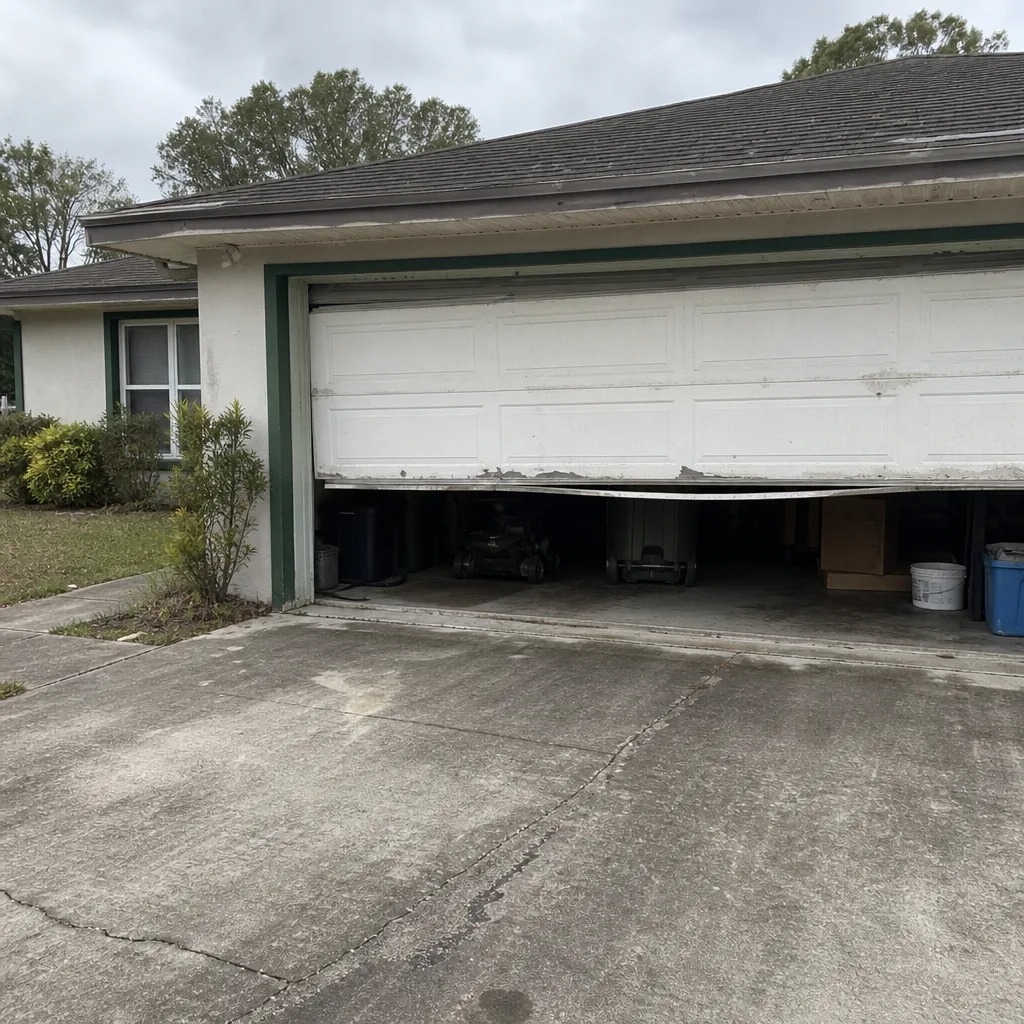 Before
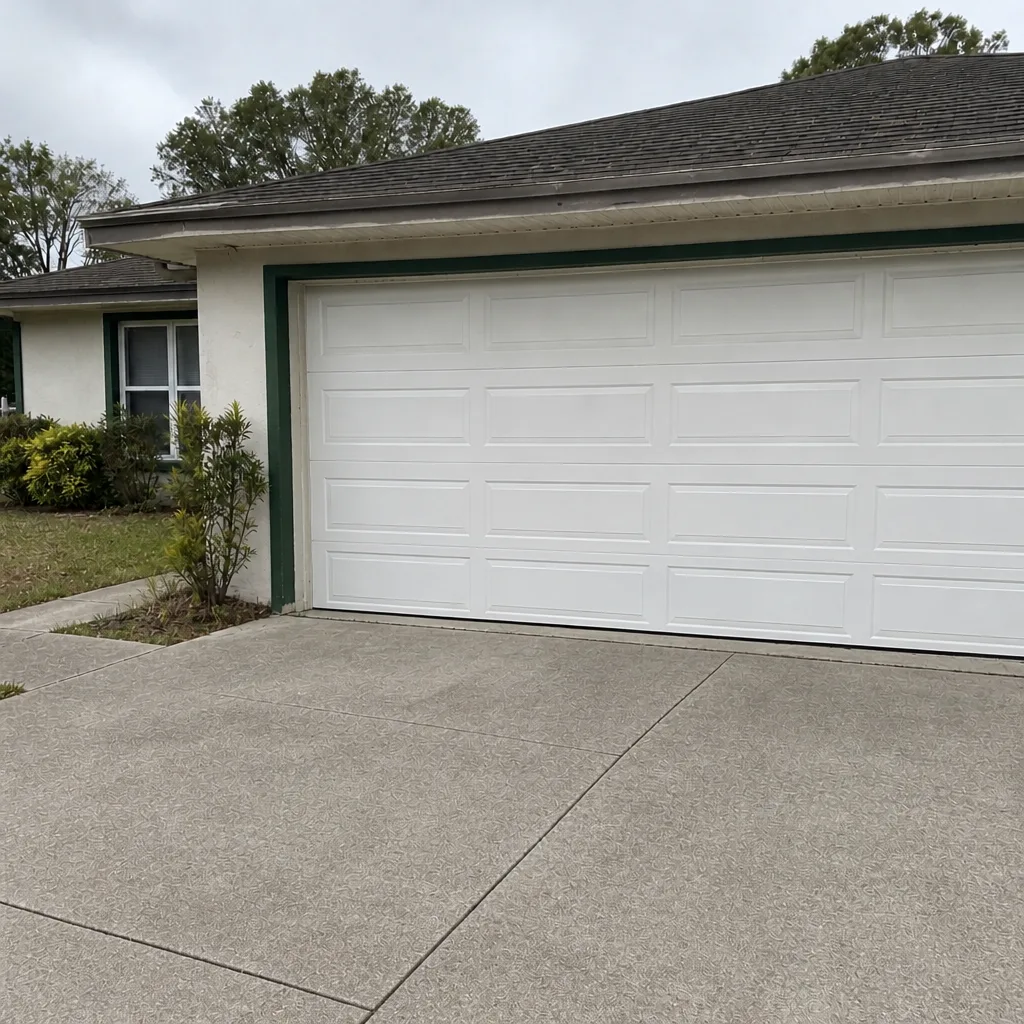 After
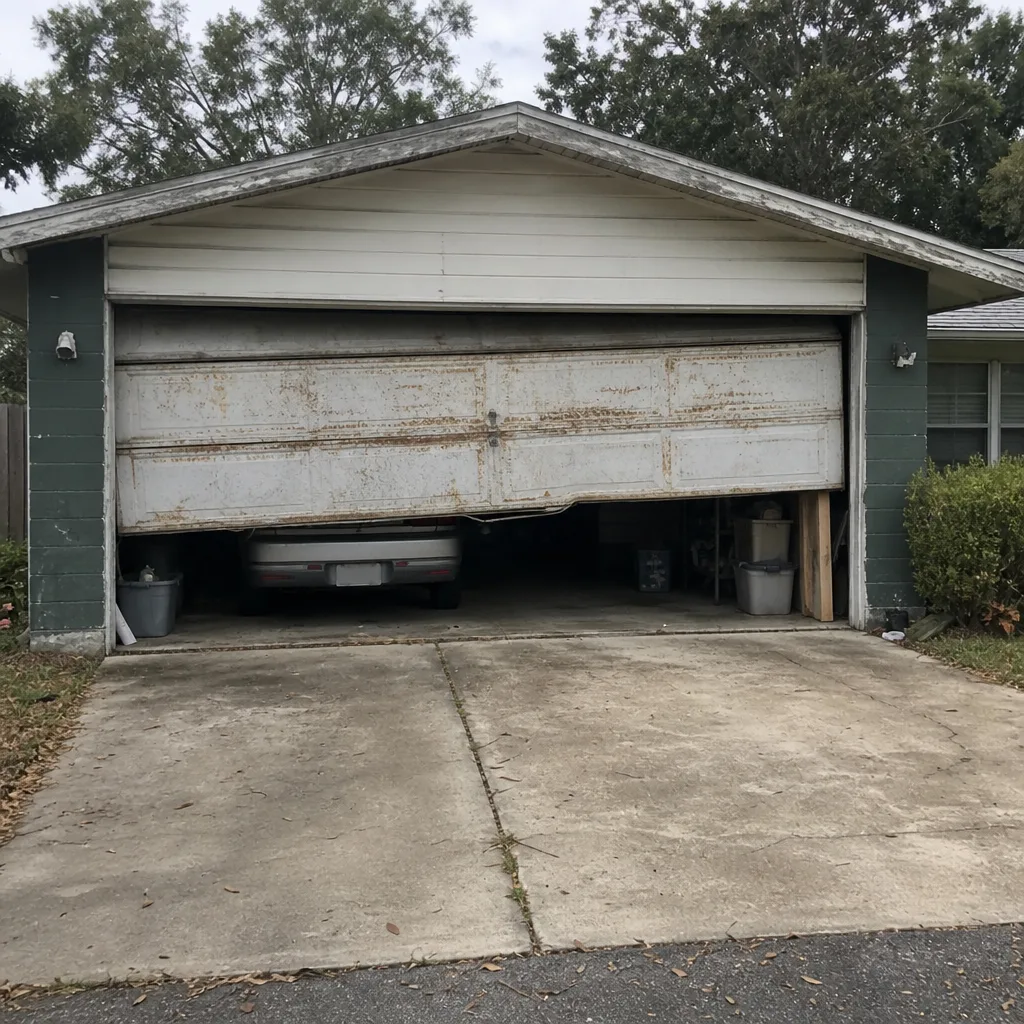 Before
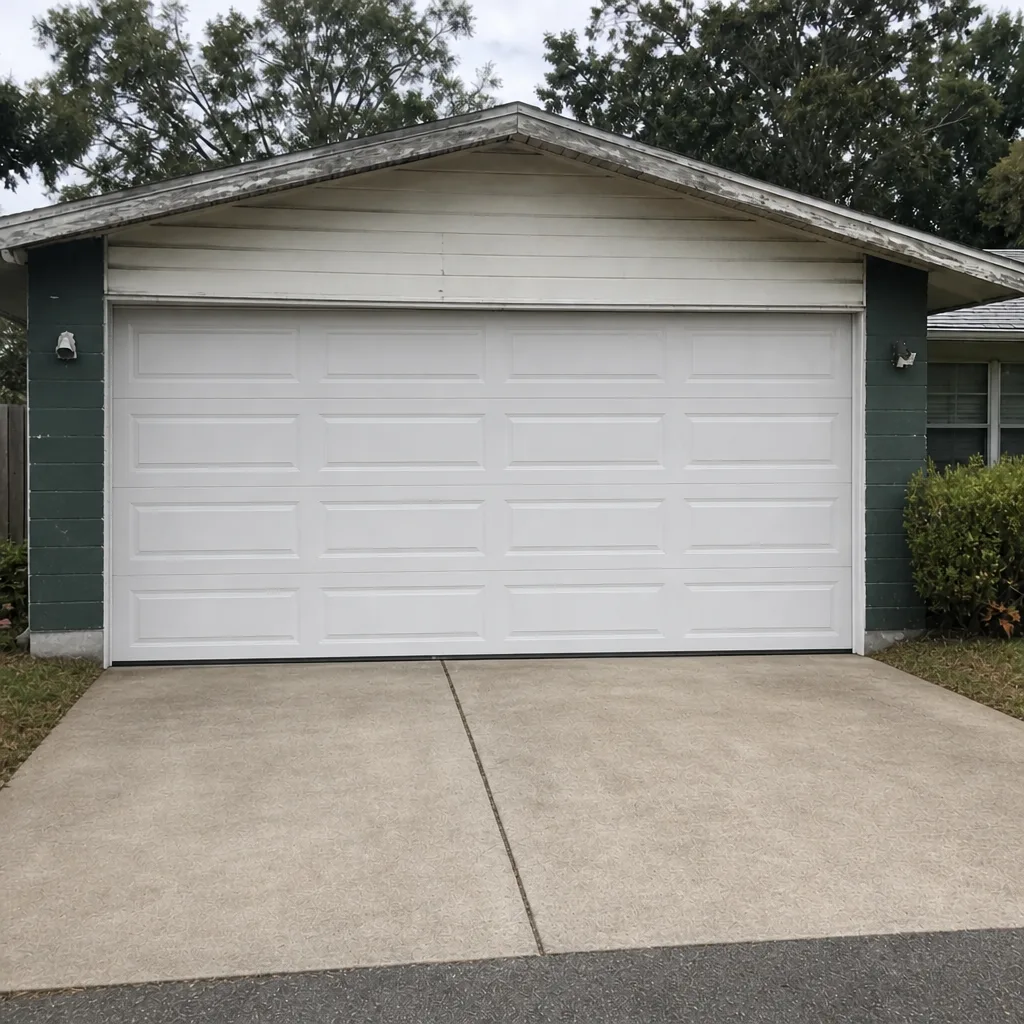 After
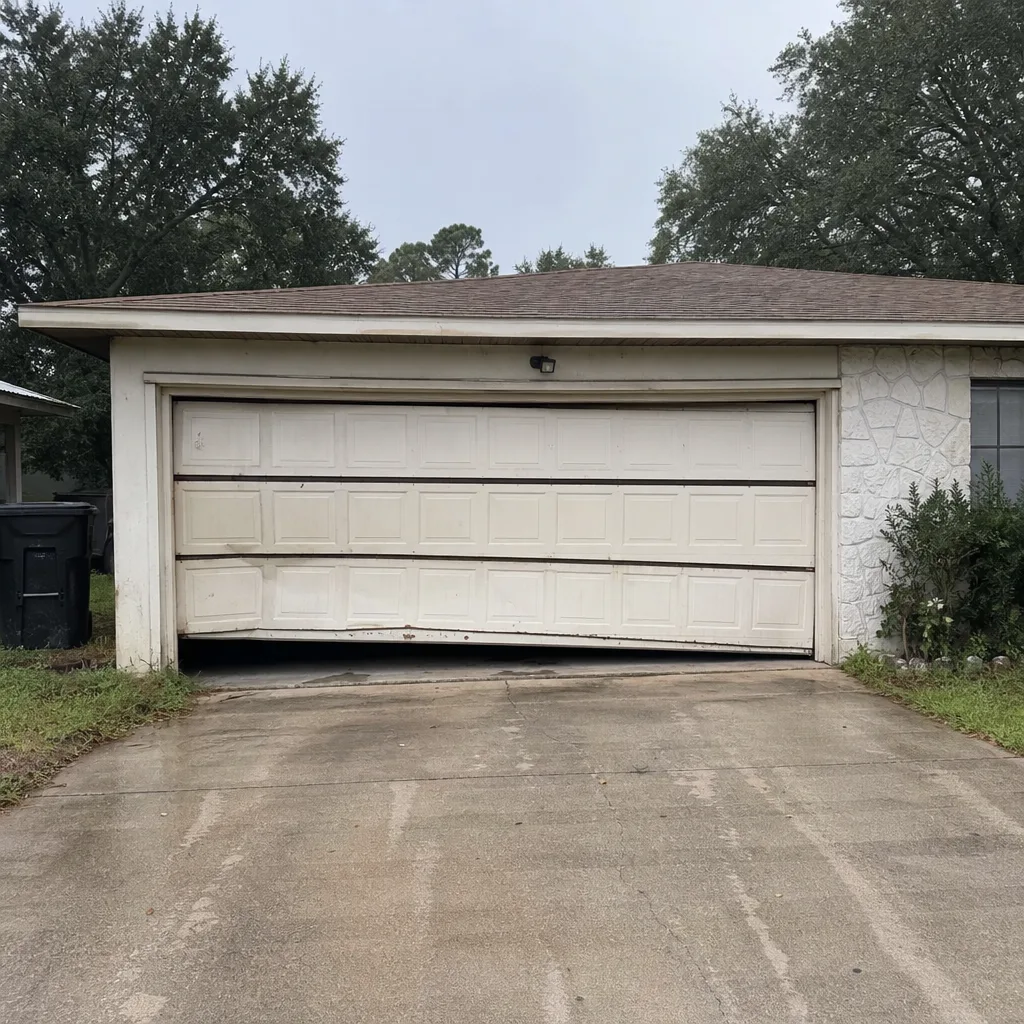 Before
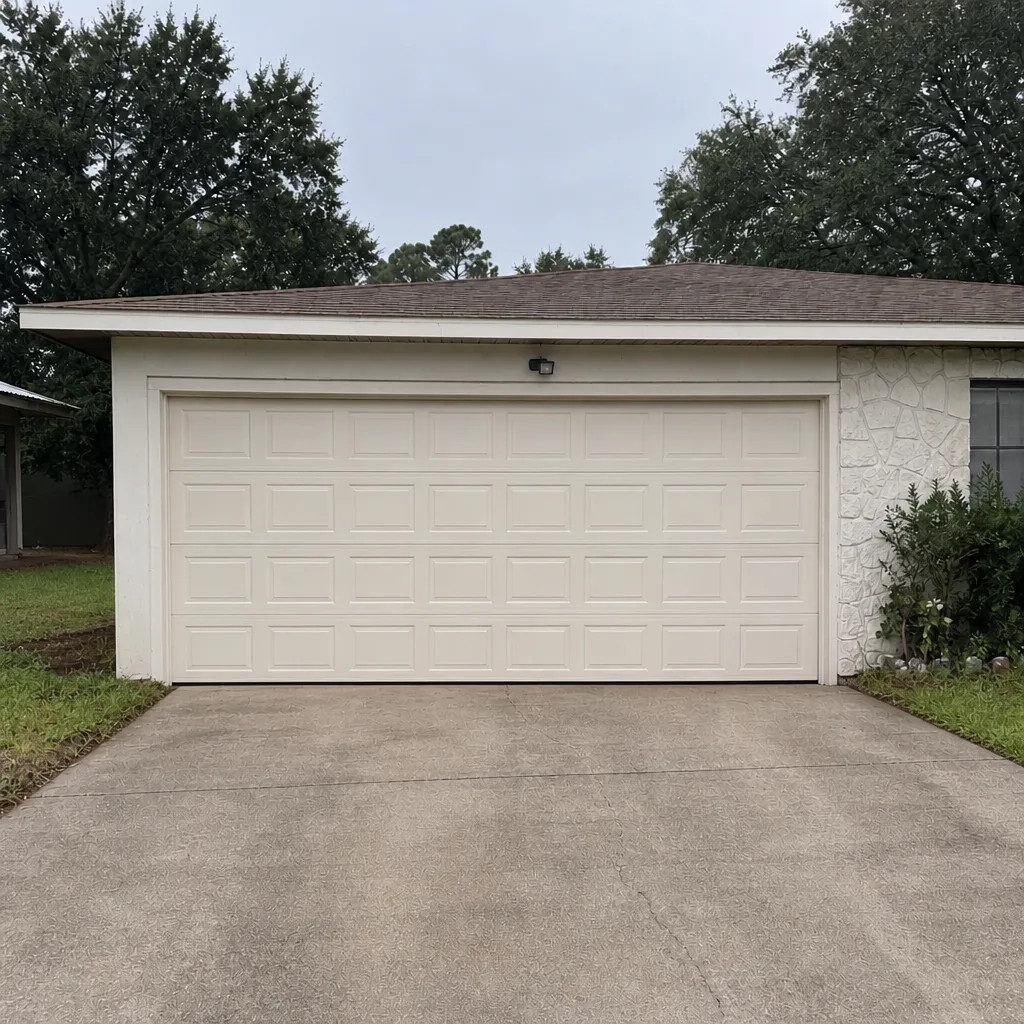 After
When to Call a Professional
Call us when the door won’t open or close, when a spring is visibly broken, when the door reverses for no reason, when it hangs unevenly, when the opener is straining, humming, or failing to lift, or when you’re planning a new door and want a real measuring visit before you commit. Skilled homeowners can handle routine checks and cleaning; spring sizing, opener wiring at the wall panel, and any overhead work on a loaded system are not do-it-yourself repairs. When the door won’t move, neither does your day, and the emergency line exists for exactly that. Spring Hill Garage Door Repair Co offers free estimates in Spring Hill – call (877) 792-6784 for an exact quote and a written price before any work starts.
Frequently Asked Questions
Typical estimates for a single torsion spring run $180 to $340, and a matched pair is roughly double the single-spring figure. Extension spring work is often $140 to $260 per side. The written estimate from the technician sets the final price, and it’s agreed before work starts. Call (877) 792-6784 for an exact quote – estimates are free.
A broken spring usually makes the door feel heavy and it won’t stay partly open, while a track problem makes it bind or pull to one side. If the door lifts easily by hand but drifts down, that points to springs. The safest check is a visual inspection of the springs; don’t loosen or adjust the track yourself.
Belt drive is the best pick for a garage beside or under a bedroom because it’s quiet, while chain drive is the workhorse for heavier doors and long cycles in a hot garage. Jackshaft openers work well where ceiling clearance is tight but need a torsion-spring setup. A battery backup is worth having in a summer storm area.
Paint hides surface rust but doesn’t stop it, and in Spring Hill humidity rust at the bottom lip and panel edge usually returns within a season or two. If rust has eaten through a panel edge, replacement of that section is the better fix. A technician can tell you whether the door is salvageable.
Many Spring Hill subdivisions do require ARC approval for exterior colors and styles, so check the current written rule before ordering. Match the color and panel style to product lines that carry them, get the approval, then buy. Doing it in that order avoids a reorder.
A typical residential replacement is a scheduled visit, measured first and ordered second, so the timeline depends on the door and the panel finish you choose. It isn’t a same-day emergency call. Call (877) 792-6784 to book the free measure and get a written price.
The Bottom Line
The right garage door choice in Spring Hill starts with three things: a steel gauge heavy enough to hold alignment, galvanized hardware that survives humidity, and an installer who measures your actual opening rather than assuming the slab is level. Springs are the part to leave alone, openers should be chosen for heat and cycling rather than features, and HOA rules belong in the conversation before you order. Repair is usually the better economics on a sound door; replacement makes sense when corrosion or repeated failure says so. If you’re unsure where you sit, the free estimate is the fastest way to find out.
Written by the team at Spring Hill Garage Door Repair Co.